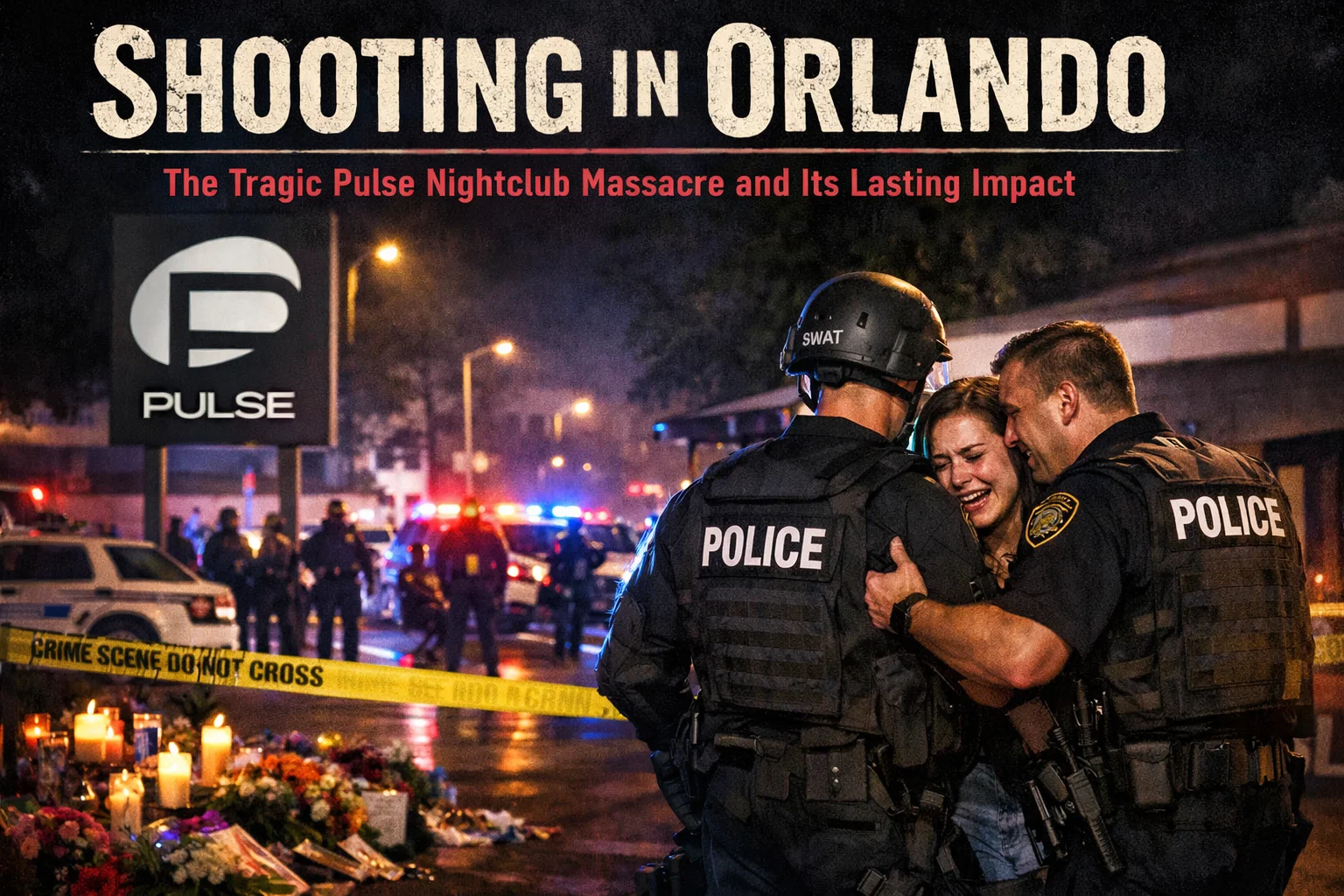
The shooting in Orlando remains one of the most devastating events in modern American history, forever etching June 12, 2016, into the hearts and minds of people around the world. On that fateful night, a popular gay nightclub called Pulse became the scene of unimaginable horror when a gunman opened fire, claiming 49 innocent lives and injuring dozens more. What started as a vibrant Latin Night celebration turned into a nightmare that tested the resilience of an entire community. Even years later, the echoes of that violence continue to shape conversations about safety, acceptance, and healing in Orlando and beyond.
This article dives deep into every aspect of what unfolded, offering a clear-eyed look at the facts while honoring the lives lost and the strength shown in the aftermath. Whether you’re seeking a straightforward recap or a broader understanding of how such tragedies ripple outward, you’ll find thoughtful insights here. Orlando has always been known for its theme parks, sunny skies, and welcoming vibe, but the shooting in Orlando forced the city to confront darkness in a way no one expected. Through survivor accounts, official timelines, and reflections on change, we explore how a single night of terror sparked waves of unity, advocacy, and remembrance that still resonate today.
The Night That Changed Everything: Setting the Scene for the Shooting in Orlando
Pulse nightclub had been a beloved fixture in Orlando’s nightlife scene since opening its doors in 2004. Located on South Orange Avenue, it served as a safe haven for the LGBTQ+ community, especially during themed events like Latin Night that drew in diverse crowds of dancers, friends, and families. On June 11 into the early hours of June 12, 2016, more than 300 people packed the club, enjoying music, laughter, and the freedom to be themselves in a city famous for its inclusive spirit. The atmosphere was electric, with colorful lights flashing across the dance floor and the bass thumping through the walls.
Little did anyone know that this joyful gathering would soon shatter under the weight of pure evil. The shooting in Orlando unfolded rapidly once the gunman entered around 2 a.m., turning a place of celebration into a scene of chaos and fear. Patrons who had come for a carefree night out suddenly found themselves scrambling for cover, texting loved ones, and praying for rescue. The club’s layout, with its main dance area, bars, and restrooms, became both a trap and a temporary sanctuary for those hiding inside. First responders later described the overwhelming sense of urgency as calls flooded emergency lines, painting a picture of heroism amid heartbreak that would define Orlando’s response for years to come.
A Minute-by-Minute Breakdown of Events
Law enforcement timelines paint a harrowing picture of how quickly the situation escalated. Just after 2:00 a.m., shots rang out near the entrance. An off-duty officer working security engaged the attacker but had to retreat under heavy fire. Within minutes, additional police units arrived, and a small team of officers forced their way inside through a broken window to confront the threat directly. Gunfire echoed through the club as the gunman moved methodically, targeting those trapped in the crowded space.
By 2:35 a.m., the shooter made a 911 call declaring allegiance to a terrorist group, shifting the police strategy from active engagement to a hostage standoff. Negotiators spent nearly half an hour on the phone with him while wounded victims lay helpless nearby. The standoff dragged on for hours until a tactical breach around 5:00 a.m. allowed SWAT teams to storm the building using an armored vehicle and explosives to create entry points. The gunman was neutralized shortly after in a final exchange of fire. This precise sequence of events highlights both the bravery of responders and the agonizing delays that cost precious lives during the shooting in Orlando.
Understanding the Perpetrator and His Motivations
Omar Mateen, a 29-year-old security guard from nearby Fort Pierce, carried out the attack using legally purchased firearms. Investigations revealed a troubled background, including reports of domestic violence, workplace complaints about aggressive behavior, and previous contacts with law enforcement over possible terrorist sympathies. Mateen had pledged allegiance to ISIS during the attack, though later probes found no direct operational ties to the group, suggesting a mix of personal grievances and radical online influences fueled his actions.
Experts who studied his profile noted signs of instability, from failed relationships to erratic online activity. Yet, nothing could fully explain or excuse the choice to target a place symbolizing love and acceptance. The shooting in Orlando sparked intense debates about how warning signs can slip through cracks in background checks and mental health monitoring. Families and authorities alike grappled with the question of prevention, turning a spotlight on the complex interplay between ideology, personal rage, and access to deadly weapons.
Honoring the Lives Lost: Stories Behind the Numbers
The 49 victims of the Pulse attack represented a beautiful cross-section of Orlando’s vibrant Latino and LGBTQ+ communities. Many were young professionals, students, and dreamers who had come to dance and connect with friends. Names like Edward Sotomayor Jr., Stanley Almodovar III, and Amanda Alvear still resonate in memorials today, each carrying tales of kindness, ambition, and love cut short. Survivors often speak of how these individuals lit up rooms with their smiles and generosity, making the loss feel even more profound.
Beyond the statistics, the human stories remind us why remembrance matters. One victim had just come out to his family and was celebrating newfound freedom. Another was a dedicated UPS worker known for remembering every regular customer’s name. These personal details transform the shooting in Orlando from abstract tragedy into a collection of irreplaceable lives. Communities across Florida and the nation held candlelight vigils, sharing photos and memories that helped families feel supported in their grief while ensuring the victims’ legacies lived on through acts of kindness and advocacy.
Quote: “They were dancing, laughing, living their truth. One moment of hate stole that from them, but it can’t erase the love they left behind.” – A Pulse survivor reflecting on the night.
The Heroes Who Rushed In: First Responders in Action
Orlando police officers, SWAT teams, and emergency medical personnel displayed extraordinary courage under fire. From the initial gun battle at the entrance to the risky wall-breaching operation hours later, these men and women put their lives on the line to save strangers. One SWAT officer even took a bullet to his helmet yet continued fighting until the threat was eliminated. Hospitals nearby transformed into triage centers, with doctors and nurses working around the clock to treat gunshot wounds and trauma.
Their efforts extended far beyond the club itself. Community members stepped up too, opening homes and providing food for families waiting at hospitals. The coordinated response became a model studied by law enforcement agencies nationwide, showing how training and quick thinking can limit damage even in the worst scenarios. The shooting in Orlando exposed gaps in communication and equipment but also showcased the human spirit at its finest when lives hang in the balance.
How the Orlando Community Came Together
In the days following the attack, Orlando transformed into a beacon of unity. Rainbow flags flew everywhere, businesses offered free counseling, and strangers hugged in the streets. The phrase “Orlando Strong” emerged as a rallying cry, appearing on billboards, T-shirts, and social media. Local churches, mosques, and community centers hosted interfaith services that bridged divides and emphasized shared humanity over hatred.
This outpouring of support wasn’t limited to the city limits. Donations poured in from across the country, funding victim assistance and long-term recovery programs. The tragedy brought national attention to issues like hate crimes and mental health, prompting policy discussions while reinforcing Orlando’s reputation as a resilient, welcoming destination. Even today, annual remembrance events draw thousands who refuse to let fear define their home.
| Key Timeline of the Shooting in Orlando |
|---|
| 2:02 a.m. – First shots fired at Pulse nightclub entrance |
| 2:08 a.m. – Officers enter and engage the gunman |
| 2:35 a.m. – Shooter calls 911 and pledges allegiance |
| 5:02 a.m. – SWAT breaches exterior wall |
| 5:15 a.m. – Gunman neutralized, rescue operations begin |
| Days after – Community vigils and “Orlando Strong” movement launches |
This table captures the critical moments that unfolded in just over three hours but left scars lasting a lifetime.
The Legal Aftermath and Investigations
Federal and local authorities launched one of the largest investigations in Florida history, poring over the gunman’s digital footprint, phone records, and family connections. His wife faced charges related to providing material support but was later acquitted. The probe confirmed no broader conspiracy but highlighted failures in threat assessment that allowed Mateen to purchase weapons despite red flags.
Court proceedings and public hearings kept the story alive in the media, fueling calls for better background checks and red-flag laws. While some changes took hold at the state level, the shooting in Orlando underscored ongoing national struggles with balancing rights and safety. Families of victims attended hearings, turning personal pain into powerful testimony that influenced legislation and public awareness.
Lasting Effects on Orlando’s LGBTQ+ Community
The Pulse attack struck at the heart of a community that had fought hard for acceptance. Many survivors described feeling targeted not just as clubgoers but as LGBTQ+ individuals enjoying a safe space. In response, advocacy groups ramped up efforts for equality, anti-discrimination protections, and mental health resources tailored to queer and Latino populations.
Pride events in Orlando grew larger and more defiant in the years afterward, with increased security yet the same spirit of joy. The tragedy also inspired new support networks for survivors dealing with PTSD and survivor’s guilt. Orlando’s vibrant scene rebounded stronger, proving that love and resilience can outshine even the darkest moments of hatred.
Quote: “Pulse was more than a club – it was family. The shooting in Orlando tried to break us, but it only made our bonds tighter.” – A longtime Pulse patron and activist.
Gun Violence Conversations Ignited Nationwide
While the shooting in Orlando wasn’t the first mass casualty event, its scale at the time made it the deadliest in U.S. history until later incidents surpassed it. It reignited fierce debates over assault weapons, high-capacity magazines, and mental health screenings for gun purchases. Advocacy organizations on all sides of the issue used the tragedy to push their platforms, leading to temporary pauses in sales and heightened scrutiny at gun shows.
Orlando itself saw local initiatives for safer public spaces, including enhanced venue security and community watch programs. Nationally, the event became a reference point in election cycles and policy papers, reminding everyone that behind every statistic are real families forever altered. The discussion continues today, with Pulse serving as a somber reminder of what’s at stake.
Mental Health and Radicalization Factors Explored
Post-incident reviews pointed to a combination of personal instability and exposure to extremist content online. Mateen’s history of anger issues and reported homophobia clashed with his own rumored internal conflicts, creating a volatile mix. Mental health professionals emphasize how isolation and untreated conditions can spiral when mixed with hateful ideologies.
In the wake of the shooting in Orlando, Florida expanded access to counseling services, particularly for first responders and survivors. Schools and workplaces began incorporating more robust threat assessment training. These steps represent a broader societal shift toward addressing root causes rather than just symptoms, though challenges remain in identifying at-risk individuals before tragedy strikes.
Building Memorials and Keeping Memories Alive
Physical tributes now stand as permanent reminders of the lives lost. The Pulse memorial site includes a planned museum and reflection garden where visitors can pay respects and learn about the victims. Annual ceremonies on June 12 feature music, speeches, and moments of silence that draw survivors, families, and allies together.
Art installations, scholarships in victims’ names, and educational programs ensure the story reaches new generations. These efforts transform grief into action, fostering empathy and preventing history from repeating. The shooting in Orlando may have ended one night of dancing, but the community’s commitment to remembrance keeps the spirit of those lost alive every day.
Survivor Voices That Inspire Healing
Those who escaped the club carry both physical and emotional scars, yet many have channeled their pain into powerful advocacy. Stories of hiding in bathrooms, shielding friends, or running for their lives reveal incredible strength under pressure. One survivor started a foundation offering trauma support to others affected by violence, turning personal survival into communal hope.
Therapy groups and peer networks have flourished, helping people process nightmares and reclaim joy. Their courage in speaking publicly has educated countless audiences about the realities of gun violence and the importance of mental health care. The shooting in Orlando didn’t just take lives – it created a new generation of voices determined to prevent future suffering.
Orlando’s Recovery and Growth Since That Fateful Night
Today, downtown Orlando pulses with life once again. New businesses, expanded Pride celebrations, and safer nightlife options reflect lessons learned. Tourism rebounded quickly, but locals know the city carries a deeper resilience forged in fire. Investments in public safety and community programs have made neighborhoods stronger and more connected.
The event also boosted economic ties through increased focus on inclusive events that celebrate diversity. Orlando’s theme park industry even incorporated subtle nods to unity and safety in their messaging. While the pain never fully fades, the city’s forward momentum shows how tragedy can catalyze positive transformation when met with collective will.
Comparing the Shooting in Orlando to Other Tragedies
Though unique in its targeting of the LGBTQ+ community during Latin Night, the Pulse attack shares patterns with other mass shootings – rapid escalation, legally obtained weapons, and lasting policy ripples. Similarities to events in Las Vegas or Parkland highlight systemic issues that persist across states. Differences, however, lie in the specific cultural and social context that made Pulse a symbol for equality under attack.
These comparisons help researchers and policymakers identify common threads without diminishing individual stories. The shooting in Orlando stands out for its international attention and the way it galvanized global solidarity with the queer community. Studying it alongside others provides valuable insights for prevention strategies moving forward.
Practical Safety Tips for Nightlife and Public Spaces
Venues across Orlando and the country adopted new protocols after the attack, from better lighting and exit signage to active shooter training for staff. Patrons can help by staying aware of surroundings, knowing emergency exits, and reporting suspicious activity promptly. Apps and community alerts now make real-time safety information more accessible.
Families and friends attending events together often establish meet-up plans in advance. These small habits, born from hard lessons during the shooting in Orlando, empower everyone to enjoy public spaces responsibly while reducing risks. Education remains key to building a culture where vigilance pairs naturally with fun.
The Role of Media in Shaping Public Perception
News coverage in the immediate aftermath flooded airwaves and social platforms with live updates, victim profiles, and expert analysis. While it raised awareness, it also risked retraumatizing survivors through graphic details. Over time, responsible reporting shifted toward focus on healing and prevention, setting a higher standard for covering sensitive events.
Social media played a dual role, spreading misinformation early on but later becoming a powerful tool for fundraising and remembrance. The shooting in Orlando taught journalists and platforms alike about balancing speed with accuracy and compassion, influencing how future crises are documented.
Economic and Tourism Impacts on the City
Initially, some visitors hesitated to book trips to Orlando fearing safety concerns. Yet the city’s quick recovery, bolstered by “Orlando Strong” campaigns, helped tourism numbers climb back within months. Theme parks and hotels offered discounts and support initiatives that doubled as healing gestures for residents.
Long-term, the event spurred investments in security infrastructure that benefit both locals and guests. Conventions and festivals now market Orlando as a resilient destination committed to inclusivity. The shooting in Orlando ultimately strengthened the local economy by highlighting the importance of community trust and safety as core attractions.
Educational Programs Born from the Tragedy
Schools and universities in Central Florida integrated lessons on empathy, conflict resolution, and recognizing warning signs into curricula. Anti-bullying initiatives gained funding tied to Pulse remembrance efforts, teaching students about the dangers of hate and the power of acceptance. Museums and libraries host traveling exhibits that bring the human side of the story to younger audiences.
These programs extend beyond Florida, with national organizations using the event as a case study in crisis response and community rebuilding. By embedding education into everyday learning, Orlando ensures that future generations understand the cost of division and the rewards of unity.
Looking Ahead: Prevention Strategies for a Safer Tomorrow
Experts continue refining threat assessment models, improving inter-agency data sharing, and advocating for balanced gun reforms. Technology like AI monitoring for online radicalization shows promise, though privacy concerns require careful navigation. Community-based programs that address isolation and mental health offer proactive alternatives to reactive measures.
The shooting in Orlando serves as a constant reminder that prevention demands ongoing commitment from lawmakers, educators, families, and individuals. Progress may feel slow, but each small step forward honors those lost by making similar horrors less likely. Orlando’s journey from pain to purpose illustrates how one city can lead the way toward broader change.
Conclusion
The shooting in Orlando at Pulse nightclub stands as a painful chapter in the city’s story, yet it also reveals the extraordinary capacity for love, strength, and renewal that defines this community. From the immediate heroism of first responders to the long-term work of healing and advocacy, Orlando refused to be defined solely by tragedy. The 49 lives taken that night and the many more forever changed continue to inspire action against hate and violence in all its forms.
As years pass, the focus remains on remembering with purpose – celebrating the vibrant spirits lost while building safer, more inclusive spaces for everyone. The shooting in Orlando taught the world that even in darkness, light can emerge through collective compassion and resolve. Orlando Strong isn’t just a slogan; it’s a living promise that hope endures and that together, we can honor the past by creating a brighter future. The city’s ongoing commitment to remembrance ensures that those affected will never walk alone, and that lessons learned will guide us toward a world where nights of joy remain just that – joyful and free from fear.
FAQ
What exactly happened during the shooting in Orlando at Pulse nightclub?
The shooting in Orlando occurred on June 12, 2016, when Omar Mateen entered Pulse nightclub during Latin Night and opened fire, killing 49 people and wounding 58 others before being killed by police after a standoff. The attack lasted roughly three hours, involving an initial assault followed by a hostage situation in the restrooms. Detailed timelines from law enforcement show rapid response efforts that saved many lives despite the chaos, with the event later studied extensively for its tactical and human impact.
How many victims were there in the shooting in Orlando and who were they?
A total of 49 people lost their lives in the shooting in Orlando, with another 58 injured, most by gunfire. The victims were primarily young Latino members of the LGBTQ+ community enjoying a night out. Their names and stories have been shared widely in memorials, highlighting their diverse backgrounds as students, workers, and friends who represented the best of Orlando’s inclusive spirit. Each one left behind families and communities forever changed by the loss.
What motivated the perpetrator of the shooting in Orlando?
Investigations into the shooting in Orlando revealed Omar Mateen’s pledge of allegiance to ISIS during the attack, combined with a personal history of anger issues, domestic problems, and possible self-conflict regarding his sexuality. While no direct ties to organized terrorism were found, online radicalization and mental health factors played significant roles. Authorities emphasized that no single explanation fully captures the complexity behind such senseless violence.
How did the shooting in Orlando affect gun control discussions?
The shooting in Orlando intensified national debates on assault weapons, background checks, and mental health evaluations for gun buyers. It prompted temporary sales pauses and calls for red-flag laws in several states. Although comprehensive federal changes were limited, the tragedy added momentum to advocacy efforts and local safety measures that continue influencing policy today, reminding everyone of the real human cost behind legislative choices.
What memorials and events remember the shooting in Orlando today?
Annual Pulse remembrance ceremonies, a planned museum and reflection garden at the former club site, scholarships, and community art projects keep the memory alive. Each June 12, vigils and “Orlando Strong” events bring people together for healing and celebration of the victims’ lives. These ongoing tributes ensure the shooting in Orlando remains a catalyst for unity, education, and prevention rather than just a date on a calendar.

