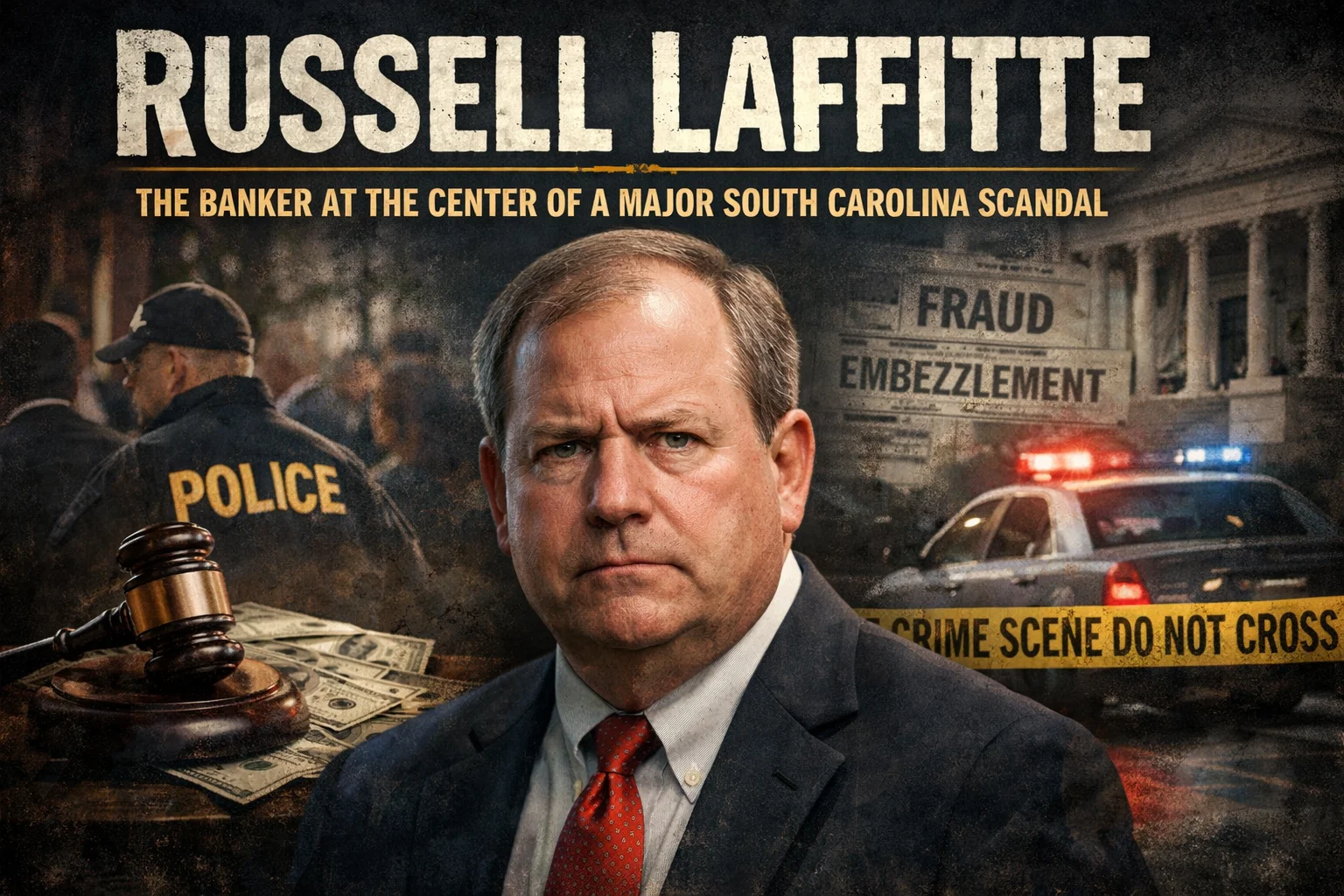
When you hear about high-profile financial scandals in small-town America, certain names stick out because they represent more than just one person’s mistakes—they highlight how trust can crumble in places where everyone knows everyone. Russell Laffitte fits that description perfectly. Once a respected leader in the banking world of the Lowcountry, he found himself tangled in a web of fraud that drew national attention, largely because of his close ties to a notorious legal figure. But who was he before the headlines, and what really happened behind the scenes at that quiet community bank?
This isn’t just another tale of white-collar crime. It’s a story about ambition, loyalty gone wrong, and the heavy price of betraying the very people a banker is supposed to protect. Over the years, many have wondered how someone from a long-standing banking family could end up facing serious federal and state charges. The details reveal a complex mix of personal relationships, professional pressures, and decisions that spiraled out of control. As we dive deeper, you’ll see how one man’s actions rippled through families, a small bank, and an entire region’s sense of security.
The Lowcountry of South Carolina has always been a place where old money, tight-knit communities, and generational businesses shape daily life. In that setting, Russell Laffitte seemed destined for success from the start. Yet his journey took a dramatic turn, leaving many to question the safeguards in local banking and fiduciary roles. What follows is a thorough look at every angle of this case, from humble beginnings to courtroom drama, all while keeping things straightforward and real.
Early Life and Path to Banking Leadership
Growing up in the heart of Hampton County, South Carolina, Russell Laffitte was surrounded by the rhythms of a family deeply rooted in the local economy. The Lowcountry isn’t known for flashy skyscrapers or Wall Street deals; instead, it’s about community banks that have served farmers, families, and small businesses for generations. His family’s connection to banking stretched back over a century, creating an environment where financial responsibility wasn’t just a job—it was part of the family identity. From a young age, he witnessed how institutions like the one his relatives built could support entire towns through good times and bad.
That upbringing instilled a strong work ethic and a sense of pride in local finance. Education played a key role too, with Laffitte pursuing studies that prepared him for the world of banking. Private college experiences helped sharpen his skills in management and finance, setting the stage for a career that many in Hampton County viewed as a natural fit. He wasn’t some outsider chasing quick riches; he was someone who understood the pulse of the region, from its agricultural roots to its close-knit social circles. Friends and family later described him as someone who valued tradition and loyalty, traits that would both serve him well early on and eventually contribute to his downfall.
As he stepped into professional roles, the transition felt seamless. Banking in a place like Hampton demanded more than numbers on a spreadsheet—it required building relationships that lasted decades. Laffitte honed his abilities in customer service, loan approvals, and day-to-day operations, always keeping an eye on the bigger picture of community stability. Those early years built a reputation for reliability, one that would later make his involvement in larger controversies all the more surprising to those who knew him growing up. The foundation seemed solid, but as pressures mounted in later years, cracks began to show in ways no one could have predicted.
Building a Legacy at Palmetto State Bank
Palmetto State Bank has been a cornerstone of the Lowcountry since its founding in the early 1900s, starting as a modest operation that grew steadily into a respected institution with assets reaching into the hundreds of millions. For Russell Laffitte, rising through the ranks there felt like continuing a family tradition that defined success in Hampton County. He took on increasing responsibilities, eventually becoming CEO, where his decisions influenced everything from local home loans to business expansions. The bank prided itself on personalized service, something Laffitte championed in his leadership style, often emphasizing how financial tools could lift up everyday folks in rural South Carolina.
Under his watch, the institution navigated economic shifts with a focus on stability. Branches served not just Hampton but nearby areas like Beaufort and Allendale, creating a network that felt personal rather than corporate. Laffitte’s approach involved hands-on involvement, from reviewing loan applications to fostering partnerships with local attorneys and businesses. It was this very closeness that made the bank a go-to spot for high-profile clients seeking discretion and speed. Many viewed him as a steady hand guiding a family-owned operation through modern challenges like digital banking and regulatory changes.
Yet leadership in a small bank comes with unique hurdles. Balancing profitability with community needs isn’t always easy, and Laffitte often spoke about the importance of trust in every transaction. His tenure saw the bank thrive in many ways, but it also placed him in positions where personal connections could blur professional lines. Looking back, those years highlight how a leader’s vision can shape an entire organization, for better or worse. The legacy he built initially was one of growth and reliability, yet it would later be overshadowed by events that tested the very principles the bank stood for.
The Unlikely Friendship That Changed Everything: Russell Laffitte and Alex Murdaugh
In the tight-knit world of Hampton County, personal and professional lines often overlap, and that’s exactly what happened in the relationship between Russell Laffitte and Alex Murdaugh. What started as a connection between two prominent local figures—one in banking and the other in law—evolved into a partnership that would define much of Laffitte’s later story. Murdaugh’s law practice handled major personal injury cases, bringing large settlement funds into the area, and Palmetto State Bank became a natural place to manage those assets. Their bond was built on shared history and mutual benefits, with Laffitte handling the financial side while Murdaugh brought in significant business.
This alliance seemed mutually advantageous at first. Laffitte’s bank provided the infrastructure for managing trusts and conservatorships, roles that required careful oversight of client money. As CEO, he had the authority to approve transactions that kept things moving smoothly for high-value clients. But over time, the friendship created opportunities for shortcuts that ignored standard protocols. What began as helping a longtime associate turned into something far more complicated, with funds flowing in ways that raised red flags for regulators later on.
Observers have noted how small-town dynamics can foster such entanglements, where loyalty to a friend might override caution. Laffitte found himself in a position where saying no carried personal and professional risks, especially given the volume of business involved. The dynamic highlighted broader issues in close-knit professional circles, where one person’s influence can pull others into risky territory. Their association wasn’t just casual—it became central to a series of events that ultimately led to legal scrutiny for both.
Understanding Conservatorships and the Role Russell Laffitte Played
Conservatorships are meant to protect vulnerable individuals, like minors or those unable to manage their own finances after accidents or tragedies. In South Carolina, these arrangements place a fiduciary in charge of assets, with the legal duty to act solely in the beneficiary’s best interest. Russell Laffitte stepped into several such roles through his position at the bank, a common practice when attorneys like Murdaugh needed someone reliable to handle settlements. It seemed like a logical extension of his banking expertise, offering fees for services while ensuring funds were safeguarded.
However, the system relies heavily on integrity. As conservator, Laffitte controlled accounts holding hundreds of thousands of dollars for clients injured in crashes or other incidents. His responsibilities included investing wisely, paying legitimate expenses, and avoiding any self-dealing. In practice, this meant signing off on distributions and monitoring every withdrawal. The position carried both power and accountability, with courts expecting detailed records to prevent abuse.
What made these roles particularly sensitive was the scale of some settlements. Families counting on that money for medical care or long-term support placed enormous trust in the system. Laffitte’s involvement in multiple cases put him at the intersection of law and finance, where decisions could either uphold or undermine that trust. Over time, the pressure to accommodate key clients tested those boundaries, leading to choices that strayed from the protective intent of conservatorships. This aspect of his work later became a focal point in investigations, underscoring how such positions demand unwavering ethics.
Diving into the Specific Financial Schemes
The financial maneuvers linked to Russell Laffitte involved complex transfers and loans that diverted client settlement funds for other purposes. In one notable instance involving a young accident victim named Natarsha Thomas, substantial amounts from her trust were redirected without proper authorization. Similar patterns emerged in the estate of Hakeem Pinckney, where funds intended for the family were used to cover unrelated obligations. The Badger family case saw even larger sums misdirected, illustrating a pattern of using controlled accounts to facilitate quick cash flows.
These schemes often relied on paperwork that appeared routine but masked the true intent. Loans were issued from trust accounts to cover personal or business shortfalls, with computer systems at the bank helping track—or sometimes obscure—the movements. The total restitution ordered later reflected the cumulative impact, running into millions. Each transaction represented not just a breach of protocol but a direct harm to individuals who had already faced hardship.
What stands out is how these actions exploited the trust placed in a bank executive. Rather than safeguarding assets, the arrangements created a cycle where one shortfall led to another, pulling more client money into the mix. Prosecutors later described the setup as one where dependency between parties grew so deep that separation became impossible. The details paint a picture of calculated steps that prioritized short-term fixes over long-term integrity, ultimately exposing the fragility of financial oversight in high-stakes relationships.
Table: Key Financial Cases Associated with the Schemes
| Case | Amount Misappropriated | Role Involved | Primary Impact |
|---|---|---|---|
| Natarsha Thomas | $350,245.08 | Conservator for minor victim | Funds for accident recovery diverted |
| Hakeem Pinckney | $309,581.46 | Conservator and estate manager | Estate assets used for unauthorized loans |
| Badger Family | $1,172,945.76 | Fiduciary for family settlement | Widow and family support funds redirected |
This overview captures the scale without overwhelming the broader narrative. Each entry reflects real harm to victims who expected protection from the very system designed to help them.
The Federal Investigation and Trial of Russell Laffitte
Federal authorities began scrutinizing the activities at Palmetto State Bank as part of a wider probe into financial irregularities. Charges centered on conspiracy to commit wire fraud and bank fraud, along with direct misapplication of funds. The investigation uncovered patterns of transfers that violated banking regulations, leading to a trial where evidence included internal records and witness testimonies. Russell Laffitte maintained his position initially but faced mounting pressure as details emerged.
The courtroom proceedings highlighted the technical side of the allegations, with experts explaining how wire transfers and account manipulations crossed state lines and breached federal banking laws. Jurors heard arguments about intent and oversight failures, painting a picture of systemic lapses under executive leadership. An initial conviction resulted in a prison term, though appeals later introduced procedural questions that altered the path forward.
Throughout the process, the case drew attention to how federal oversight intersects with local banking practices. It served as a reminder that even community-focused institutions aren’t immune to scrutiny when large sums are involved. The trial phase brought forward voices from victims and insiders, adding layers of human experience to the legal arguments. Ultimately, it set the stage for resolutions that balanced accountability with practical outcomes.
“In essence, Laffitte was responsible for loaning so much money to Murdaugh that Murdaugh became too big to fail. Alex was so much in hock to Russell that Russell was in hock to Alex.” – Senior Assistant Deputy Attorney General Creighton Waters
This quote from the prosecutor captured the interdependent nature of the relationship at the heart of the federal case, emphasizing the mutual reliance that fueled the schemes.
State Charges and the Path to Guilty Plea
South Carolina state authorities pursued separate charges focusing on breach of trust, computer crime, and criminal conspiracy. These stemmed from the same core activities but emphasized violations of state fiduciary duties and the use of bank systems to facilitate improper actions. Multiple indictments covered the specific cases involving client funds, leading to a plea agreement that resolved the matters efficiently. Russell Laffitte entered the plea in 2025, acknowledging the facts without a full trial.
The state process moved alongside federal efforts, creating a dual-track legal journey. Pleading guilty allowed for negotiated terms, including restitution payments funded through asset sales like bank shares. It reflected a strategic choice amid ongoing proceedings, avoiding further uncertainty while accepting responsibility.
This phase underscored the collaborative nature of investigations between state and federal partners, including law enforcement agencies. The outcome reinforced that accountability extends across jurisdictions, particularly when public trust in financial institutions is at stake. For those following the developments, the plea marked a turning point toward closure, even as it left room for reflection on prevention.
Sentencing Hearings: Federal and State Outcomes
Sentencing brought the legal chapters to a close with specific terms that combined prison time, probation, and financial penalties. In federal court, a five-year term was imposed alongside restitution and supervision requirements. State proceedings added eight years of active imprisonment, structured to run concurrently, plus suspended time, probation, and community service hours. The total package reflected the seriousness of the offenses while accounting for time already served.
Hearings featured statements from both sides, with Laffitte remaining largely silent but his legal team highlighting prior apologies and restitution efforts. Judges weighed factors like the scale of harm and the defendant’s background, resulting in outcomes that aimed for justice without excess. The process included prohibitions on future banking involvement, effectively ending that chapter of his career.
These moments in court humanized the consequences, showing how decisions ripple outward. Families of victims attended, seeking closure, while the community observed how the justice system handles complex white-collar matters. The dual sentences underscored the layered impact of the crimes, providing a framework for recovery and deterrence.
The Human Cost: Victims’ Stories and Community Impact
Beyond the numbers and legal terms, the real toll fell on individuals who trusted the system with their futures. Families dealing with the aftermath of accidents or losses saw their settlements diminished, forcing difficult choices about medical care, education, and stability. The sense of betrayal ran deep, especially in a region where personal connections define daily life.
The Lowcountry community felt the shockwaves too. A local bank once seen as a pillar of reliability now carried a stain, affecting perceptions of finance in small towns everywhere. Discussions turned to the need for stronger checks on fiduciaries and executives, sparking conversations about ethics training and oversight reforms.
Long-term effects include eroded confidence in professional services, with some residents questioning how to safeguard their own assets. Yet the story also inspired calls for greater transparency, reminding everyone that vigilance protects the vulnerable. Victims’ resilience in seeking justice highlighted the strength of the human spirit amid financial hardship.
Broader Lessons for Banking and Ethics in Small-Town America
The events surrounding this case offer valuable insights into the vulnerabilities of community banking. Small institutions often operate with personal touches that build loyalty but can also create blind spots when relationships influence decisions. Strengthening internal controls, regular audits, and clear separation of roles could prevent similar issues moving forward.
Ethics training for executives and fiduciaries deserves more emphasis, focusing on recognizing conflicts of interest early. Regulatory bodies might consider enhanced guidelines for conservatorships, ensuring independent reviews to protect client funds. These lessons extend beyond one bank, applying to towns across the country where local power structures can sometimes overshadow safeguards.
Ultimately, the case encourages a cultural shift toward accountability at every level. By examining what went wrong, the industry can evolve to better serve the public, restoring faith in the systems that manage everyday finances. It’s a call to balance tradition with modern protections, ensuring that trust remains the foundation of banking.
Where Does the Story of Russell Laffitte Stand Today?
As time has passed since the sentences, attention has shifted toward the ongoing effects and any potential for rehabilitation. With concurrent terms in place, the focus remains on fulfilling probation and community service obligations once active imprisonment concludes. The restitution payments have provided some relief to affected parties, though the emotional scars linger.
Public interest in the broader Murdaugh-related matters continues, keeping Laffitte’s name in occasional discussions about justice and reform. For the Lowcountry, the episode serves as a cautionary chapter in local history, prompting reflections on growth and resilience. The former executive’s future likely involves rebuilding outside the banking world, navigating life post-conviction.
This phase invites consideration of second chances while acknowledging the permanence of certain consequences. The story continues to evolve, offering lessons for individuals and institutions alike.
Conclusion
The journey of Russell Laffitte from respected Palmetto State Bank leader to a figure defined by financial convictions illustrates the complex interplay of trust, ambition, and accountability in small-town America. What began as a promising career rooted in family tradition and community service unraveled through choices that prioritized short-term alliances over long-term integrity. The detailed schemes, legal battles, and ultimate sentences highlight both personal failings and systemic vulnerabilities that demand attention.
Yet this narrative also points toward hope through reform and awareness. By understanding the full scope—from early influences to lasting impacts—readers gain perspective on preventing similar betrayals. The human stories at the center remind us why ethical standards matter so deeply in finance. As South Carolina and the nation reflect on this case, the emphasis remains on rebuilding trust, one transparent step at a time. The legacy here isn’t just about downfall but about the enduring call for vigilance in protecting what matters most: the financial security of everyday people.
FAQ
Who is Russell Laffitte?
Russell Laffitte is the former CEO of Palmetto State Bank in Hampton, South Carolina, a family-owned institution with deep roots in the Lowcountry. He became widely known for his involvement in financial crimes connected to high-profile legal cases, leading to both federal and state convictions. Once seen as a pillar of local banking, his story now serves as a case study in fiduciary responsibility and the risks of blurred professional lines.
What crimes was Russell Laffitte convicted of?
He faced charges including conspiracy to commit wire fraud, bank fraud, misapplication of bank funds, breach of trust, and computer crime. These stemmed from misusing client settlement funds held in trust, often through improper loans and transfers that benefited external parties. The convictions covered multiple cases where conservatorship duties were violated, resulting in millions in diverted assets.
How was Russell Laffitte connected to the Murdaugh case?
His close professional and personal relationship with Alex Murdaugh placed him at the center of schemes involving client funds from the law practice. As bank CEO and conservator in related matters, Laffitte facilitated transactions that supported Murdaugh’s financial needs, creating a cycle of dependency that prosecutors described as making one party “too big to fail” for the other.
What was the final sentence for Russell Laffitte?
In federal court, he received five years in prison plus supervision and restitution. State charges added eight years active time running concurrently, with additional probation and community service. He also paid over $3.5 million in restitution and faces permanent restrictions on banking activities, marking a comprehensive resolution across jurisdictions.
What impact did the actions of Russell Laffitte have on victims?
Victims, including accident survivors and families, lost significant portions of their settlements meant for medical care and support. The breaches eroded trust in fiduciaries and local institutions, forcing many to face renewed financial hardships. Community-wide, it highlighted the need for stronger protections in conservatorships and banking oversight.
Are there any ongoing developments in the Russell Laffitte case?
With sentences structured concurrently and restitution largely paid through asset liquidation, the focus has shifted to completion of probation and service requirements. The case has prompted discussions on banking reforms but remains closed in terms of active litigation. Public interest continues as part of broader reflections on justice in South Carolina.

