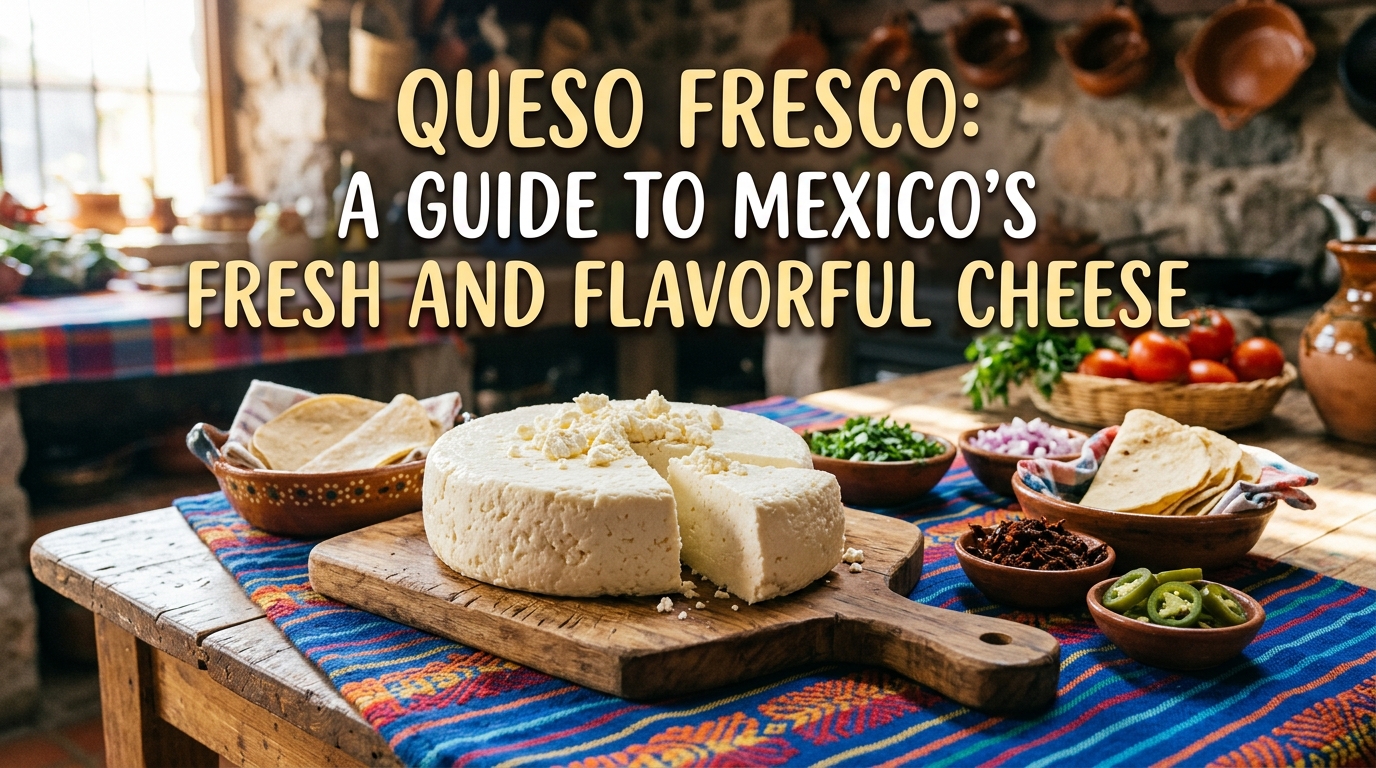
Few cheeses are as versatile, approachable, and beloved as queso fresco. This soft, fresh cheese has become a staple in kitchens far beyond Latin America because of its mild flavor, crumbly texture, and ability to elevate simple meals into something memorable. Whether sprinkled over tacos, folded into warm tortillas, or served alongside grilled vegetables, queso fresco adds a creamy, salty touch that feels comforting and authentic at the same time.
Unlike aged cheeses that develop bold and complex flavors over months or years, queso fresco is intentionally fresh. Its charm comes from simplicity. It is light, moist, and delicate, making it a perfect finishing ingredient for countless dishes. Many people first encounter it at Mexican restaurants, but once they taste it, they quickly realize how easy it is to use at home.
The growing popularity of Latin American cuisine has also helped bring queso fresco into mainstream cooking. Home cooks now use it in salads, breakfast dishes, soups, and even fusion recipes that blend traditional Mexican flavors with modern culinary ideas. Its flexibility is one reason why it remains such a beloved ingredient among chefs and food lovers alike.
“Fresh ingredients create unforgettable meals, and queso fresco proves that simplicity can be deeply flavorful.”
In this detailed guide, you will learn everything about queso fresco, including its origins, taste, texture, nutritional value, cooking methods, storage tips, homemade preparation, and creative serving ideas. You will also discover how it compares to other cheeses and why it deserves a permanent place in your kitchen.
The Origins and Cultural Importance of Queso Fresco
The story of queso fresco begins in Latin America, particularly in Mexico, where fresh cheeses have long been an important part of regional cuisine. The term itself literally means “fresh cheese” in Spanish, which perfectly describes its nature. Unlike aged cheeses that require long maturation periods, queso fresco is made to be eaten shortly after preparation.
Historically, cheesemaking traditions arrived in the Americas through Spanish colonization. Over time, local communities adapted European cheesemaking techniques using available ingredients and regional preferences. The result was a variety of fresh cheeses with unique textures and flavors. Among them, queso fresco became one of the most popular because it was easy to make, affordable, and highly versatile.
In many Mexican households, queso fresco is more than just an ingredient. It represents comfort, tradition, and family cooking. Generations have used it in homemade meals ranging from enchiladas and tamales to soups and salads. Even today, local markets throughout Mexico often sell freshly made queso fresco wrapped in paper or stored in simple containers.
Different regions also prepare slightly different versions. Some varieties are creamier while others are firmer and saltier. Despite these differences, the core identity remains the same. It is always a fresh cheese designed to complement rather than overpower other ingredients.
The cultural importance of queso fresco extends beyond Mexico into Central and South America as well. Countries such as Nicaragua, Honduras, and Colombia all have similar fresh cheeses that play important roles in local cuisines. Although the names and preparation methods may vary slightly, the emphasis on freshness and simplicity remains consistent.
Today, queso fresco has gained worldwide popularity thanks to the global appreciation for Mexican food. Grocery stores across the United States and Europe now commonly stock it, making it accessible to home cooks eager to recreate authentic flavors.
What Makes Queso Fresco Unique
One of the reasons queso fresco stands out is its balance of flavor and texture. It is mild yet slightly tangy, creamy but crumbly, rich without feeling heavy. This balance makes it incredibly adaptable in cooking.
Unlike melting cheeses such as mozzarella or cheddar, queso fresco softens when heated but generally keeps its shape. This characteristic makes it ideal as a topping because it adds creaminess without becoming overly gooey. Sprinkling it over hot dishes creates a contrast between warm food and cool cheese that many people find irresistible.
The texture also plays a major role in its popularity. Freshly made queso fresco feels moist and tender while still holding together enough to crumble beautifully. This makes it perfect for garnishing tacos, beans, roasted vegetables, and soups.
Another unique aspect is how quickly it can be prepared compared to aged cheeses. Traditional recipes often require only milk, an acidic ingredient such as vinegar or lime juice, and salt. Because there is no aging process, the cheese can be enjoyed within hours of preparation.
Queso fresco also works well with spicy foods. The mild creaminess helps balance heat from chili peppers and richly seasoned sauces. This is why it is commonly paired with enchiladas, salsa-covered dishes, and grilled meats.
The freshness factor is perhaps its greatest strength. Many aged cheeses dominate a dish with intense flavors, but queso fresco enhances food without overwhelming it. It acts as a supporting ingredient that improves texture and taste while allowing other flavors to shine.
Quick Overview Table
| Feature | Description |
|---|---|
| Origin | Mexico and Latin America |
| Texture | Soft and crumbly |
| Flavor | Mild, fresh, slightly salty |
| Milk Used | Usually cow’s milk |
| Aging Process | None |
| Melting Ability | Softens but does not fully melt |
| Common Uses | Tacos, salads, soups, enchiladas |
| Best Served | Fresh |
How Queso Fresco Is Made
The process of making queso fresco is surprisingly straightforward, which explains why it became such a common household cheese in many Latin American communities. Fresh milk forms the foundation of the recipe, and the transformation into cheese happens through curdling.
Traditionally, whole cow’s milk is heated gently before an acidic ingredient such as vinegar, lemon juice, or lime juice is added. The acid causes the milk proteins to separate into curds and whey. Once the curds form, they are strained through cheesecloth and lightly pressed to remove excess moisture.
Salt is usually mixed into the curds to enhance flavor and preserve freshness. Depending on the desired texture, the cheese may be pressed more firmly or left relatively soft. Some homemade versions remain spreadable while others become crumbly enough to slice.
Because queso fresco is not aged, the flavor remains light and fresh. This distinguishes it from stronger cheeses that undergo bacterial or mold-driven maturation processes. The lack of aging also means the cheese should be consumed relatively quickly.
Modern commercial production follows similar principles but uses pasteurized milk and stricter food safety standards. Some manufacturers add enzymes or cultures to create more consistent textures and flavors. Despite industrial methods, good-quality store-bought queso fresco still captures the fresh character of traditional homemade versions.
Many home cooks enjoy making queso fresco because it requires minimal equipment. A large pot, cheesecloth, and a strainer are often enough. The process is rewarding because the results feel artisanal and deeply satisfying.
Homemade versions also allow for customization. Some people prefer a saltier taste, while others enjoy adding herbs or spices directly into the curds. This flexibility makes homemade queso fresco a fun culinary project for beginners and experienced cooks alike.
Flavor Profile and Texture Explained
Describing the taste of queso fresco can be surprisingly difficult because it is intentionally subtle. Its flavor is fresh, creamy, slightly tangy, and mildly salty. Rather than dominating a dish, it complements surrounding ingredients.
The mildness makes it approachable even for people who usually avoid strong cheeses. There is no sharpness or pungency. Instead, the flavor feels clean and dairy-forward, almost like a combination of fresh cream and lightly salted butter.
Texture is equally important. Good queso fresco crumbles easily while still feeling moist. It should never be rubbery or dry. When bitten into, it offers a delicate softness that contrasts beautifully with crunchy vegetables, crispy tortillas, or tender meats.
Freshness dramatically affects quality. Newly made queso fresco tastes brighter and creamier than older versions. This is why many chefs prefer using it soon after purchase.
Temperature also changes the experience. Cold queso fresco feels firmer and more crumbly, while room-temperature cheese becomes softer and creamier. Many cooks allow it to sit out briefly before serving to maximize flavor and texture.
One fascinating aspect is how well it absorbs surrounding flavors. When paired with spicy salsa, smoky grilled meats, or citrusy salads, queso fresco subtly adapts and enhances the entire dish.
Its texture also makes it visually appealing. The white crumbles create contrast against colorful foods such as tomatoes, avocado, beans, and chili peppers. This visual appeal contributes to its popularity in restaurant presentations and food photography.
Popular Dishes That Use Queso Fresco
Mexican cuisine features queso fresco in countless recipes, ranging from street food favorites to comforting home-cooked meals. One of its most recognizable uses is as a topping for tacos. The cool, crumbly cheese balances spicy meats and flavorful salsas perfectly.
Enchiladas are another classic example. After tortillas are rolled with fillings and covered in sauce, queso fresco is sprinkled generously on top. The cheese adds freshness that cuts through the richness of the dish.
Elote, or Mexican street corn, also commonly includes queso fresco. The cheese pairs beautifully with mayonnaise, lime juice, chili powder, and grilled corn kernels.
Breakfast dishes frequently feature queso fresco as well. Scrambled eggs with tomatoes, onions, and fresh cheese create a simple but satisfying morning meal. Many people also stuff it into breakfast burritos or quesadillas.
Soups benefit greatly from its creamy texture. Tortilla soup, black bean soup, and pozole often receive a finishing sprinkle of crumbled cheese. The contrast between hot broth and cool cheese creates a comforting eating experience.
Salads become more exciting with queso fresco too. Its light flavor works especially well with citrus dressings, avocado, cucumbers, and roasted vegetables.
Common Foods Paired With Queso Fresco
| Dish | Why It Works |
|---|---|
| Tacos | Adds cool creaminess |
| Enchiladas | Balances rich sauces |
| Street Corn | Enhances smoky sweetness |
| Salads | Provides texture contrast |
| Soups | Creates creamy freshness |
| Beans | Adds salty richness |
| Grilled Vegetables | Complements charred flavors |
Fusion cuisine has also embraced queso fresco. Modern chefs now use it in burgers, pizzas, grain bowls, and even pasta dishes. Its adaptability allows it to blend seamlessly into contemporary cooking styles.
Nutritional Benefits of Queso Fresco
Many people appreciate queso fresco not only for its flavor but also for its nutritional qualities. Compared to heavily aged cheeses, it is often lower in fat and calories while still providing valuable nutrients.
Protein is one of its key benefits. Cheese made from milk naturally contains protein, which supports muscle growth and overall body function. A modest serving of queso fresco can contribute meaningfully to daily protein intake.
Calcium is another major advantage. Like many dairy products, queso fresco supports bone health and dental strength. Calcium also plays an important role in nerve and muscle function.
Because queso fresco is fresh and minimally processed, it often contains fewer additives than highly processed cheeses. Some homemade versions contain only milk, acid, and salt.
However, sodium content can vary depending on preparation methods. Commercial versions sometimes contain more salt for preservation and flavor enhancement. Reading labels can help consumers choose options that fit their dietary needs.
Its relatively mild fat content also appeals to people seeking lighter cheese options. While still creamy and satisfying, it generally feels less heavy than cheddar or cream cheese.
Moderation remains important, especially for those monitoring sodium or saturated fat intake. Still, queso fresco can absolutely fit into a balanced diet when enjoyed thoughtfully.
Homemade Queso Fresco Recipe
Making queso fresco at home can feel surprisingly easy once you understand the process. The ingredients are simple, and the results often taste fresher than store-bought versions.
Ingredients
| Ingredient | Amount |
|---|---|
| Whole milk | 1 gallon |
| White vinegar or lime juice | 1/4 cup |
| Salt | 1 teaspoon |
Instructions
Heat the milk slowly in a large pot until it reaches a gentle simmer. Avoid boiling because excessive heat can affect texture. Once heated, stir in vinegar or lime juice gradually.
Within minutes, curds should begin separating from the whey. Allow the mixture to rest briefly so the curds fully develop. Pour everything through cheesecloth placed over a strainer.
Gather the cloth and gently squeeze out excess liquid. Mix salt into the curds while they are still warm. Press lightly for a firmer cheese or leave soft for a creamier texture.
Refrigerate before serving. Homemade queso fresco usually tastes best within a few days.
Many cooks experiment with additional flavors such as herbs, garlic, or chili flakes. These small adjustments create personalized variations while preserving the essence of the cheese.
The satisfaction of making cheese from scratch often surprises beginners. Watching milk transform into soft, fresh curds feels both scientific and deeply traditional.
Queso Fresco vs Other Cheeses
Fresh cheeses can sometimes confuse shoppers because several varieties look similar. However, queso fresco has distinct qualities that separate it from alternatives.
Cotija cheese, for example, is saltier and firmer. While both appear crumbly, cotija is aged longer and delivers a much stronger flavor. Parmesan lovers often appreciate cotija because of its intensity.
Feta cheese also shares similarities but differs significantly in flavor. Feta is tangier and often stored in brine, giving it a sharper taste. Queso fresco feels milder and creamier by comparison.
Ricotta is another fresh cheese sometimes compared with queso fresco. However, ricotta is softer and fluffier, making it better suited for spreads and fillings.
Paneer from Indian cuisine has a comparable firmness and freshness, but paneer typically remains unsalted and holds its shape during cooking more effectively.
Mozzarella differs because it melts beautifully, while queso fresco mainly softens without becoming stretchy.
Understanding these differences helps cooks choose the right cheese for each recipe. While substitutions are sometimes possible, authentic queso fresco delivers a unique balance that is difficult to replicate perfectly.
Best Ways to Store Queso Fresco
Because queso fresco is a fresh cheese, proper storage is essential for maintaining quality and safety. Unlike aged cheeses that can last weeks or months, fresh varieties are more delicate and perishable.
Refrigeration is necessary immediately after purchase or preparation. Ideally, queso fresco should remain in an airtight container to prevent moisture loss and odor absorption from other foods.
If the cheese came packaged in liquid, keeping some moisture around it can help preserve texture. However, excessive water exposure may cause sliminess, so balance is important.
Freshly homemade versions typically last about five to seven days in the refrigerator. Commercially produced versions may last slightly longer because of pasteurization and packaging methods.
Freezing is possible but not ideal. The texture often becomes crumbly and less creamy after thawing. If frozen, it works better in cooked dishes rather than fresh applications.
Signs of spoilage include sour smells, discoloration, mold growth, or an unpleasant slimy texture. Since queso fresco is meant to taste fresh and mild, any sharp or unusual odor should be treated as a warning sign.
Serving only the amount needed while keeping the rest refrigerated also helps extend freshness. Leaving it at room temperature for long periods can shorten shelf life considerably.
Cooking Tips for Using Queso Fresco
Cooking with queso fresco is simple, but a few techniques can make dishes even better. Because it does not melt completely, it is best viewed as a finishing ingredient rather than a primary melting cheese.
Sprinkling it over hot foods right before serving creates a delicious contrast between warm and cool textures. This technique works especially well for tacos, soups, and grilled vegetables.
Crumbling by hand often produces better texture than using a knife. The irregular pieces create a more rustic and visually appealing presentation.
Pairing queso fresco with acidic ingredients such as lime juice or tomatoes enhances its fresh qualities. Citrus brightens the creamy flavor beautifully.
Spicy dishes benefit greatly from its cooling effect. Foods with jalapeños, chipotle peppers, or spicy sauces become more balanced when topped with fresh cheese.
Texture contrast is another important consideration. Combining creamy queso fresco with crunchy tortilla chips, roasted corn, or crisp lettuce creates more dynamic dishes.
For stuffed recipes such as peppers or empanadas, mixing queso fresco with herbs or sautéed vegetables creates flavorful fillings without excessive heaviness.
Many chefs also combine it with other cheeses for layered flavor profiles. Mixing it with melting cheeses can create both creaminess and stretchiness in baked dishes.
Why Queso Fresco Became Popular Worldwide
The rise of global food culture has played a major role in the growing popularity of queso fresco. As Mexican cuisine gained international recognition, consumers became more curious about authentic ingredients.
Restaurants introduced diners to tacos, enchiladas, street corn, and other dishes featuring fresh cheese. Many people quickly realized that queso fresco added a unique quality different from common supermarket cheeses.
Social media also accelerated interest. Food photography showcasing colorful Mexican dishes topped with bright white crumbles made queso fresco visually recognizable worldwide.
Health-conscious consumers appreciate its relatively light texture and fresh ingredient profile. Compared to heavily processed cheeses, it feels more natural and less overwhelming.
Home cooking trends further boosted its appeal. As people experimented with authentic recipes during recent years, they searched for ingredients that could recreate restaurant-quality flavors.
Accessibility improved too. Major grocery chains now stock Latin American cheeses regularly, making it easier than ever for consumers to try them.
The adaptability of queso fresco is another reason for its global success. It fits seamlessly into traditional Mexican dishes while also working beautifully in salads, grain bowls, roasted vegetables, and fusion recipes.
Its approachable flavor helps introduce people to Latin American cuisine without feeling intimidating. Even picky eaters often enjoy its mild creaminess.
Creative Modern Recipes With Queso Fresco
Modern chefs and home cooks continue finding inventive ways to use queso fresco beyond traditional recipes. One popular trend is adding it to grain bowls with quinoa, roasted vegetables, avocado, and spicy dressing.
Flatbreads and pizzas also benefit from fresh cheese crumbles. The mild flavor complements roasted tomatoes, jalapeños, grilled corn, and cilantro especially well.
Stuffed baked potatoes become more flavorful when topped with queso fresco, black beans, and salsa verde. The cheese provides creaminess without overwhelming the dish.
Pasta dishes can also incorporate it creatively. Tossing warm pasta with roasted peppers, olive oil, herbs, and crumbled cheese creates a fusion meal that feels both comforting and fresh.
Watermelon salads with lime juice, mint, and queso fresco have become trendy because the salty cheese contrasts beautifully with sweet fruit.
Even burgers now feature queso fresco as a topping. Paired with avocado and spicy aioli, it creates a Mexican-inspired twist on a classic comfort food.
Breakfast toast topped with mashed avocado, eggs, and fresh cheese offers another simple but satisfying idea.
These modern applications demonstrate how adaptable queso fresco truly is. While deeply rooted in tradition, it continues evolving alongside contemporary culinary creativity.
Choosing the Best Queso Fresco at the Store
Finding high-quality queso fresco can significantly improve your cooking experience. Freshness should always be the top priority because the cheese is meant to taste clean and creamy.
Look for packages with clear expiration dates and minimal liquid leakage. Excess moisture can indicate poor storage conditions.
Texture matters too. Good queso fresco should appear moist but not soggy. It should hold together while still looking crumbly and soft.
Ingredient lists can reveal quality differences. Simpler ingredients usually indicate a more authentic product. Ideally, milk, salt, enzymes, and cultures should dominate the label.
Some artisanal brands offer richer and creamier textures than mass-produced options. Exploring local Latin markets can sometimes lead to better selections than generic supermarkets.
Taste preferences also vary. Some versions are saltier, firmer, or creamier than others. Trying different brands helps identify your personal favorite.
If available, freshly made queso fresco from local dairies often delivers exceptional flavor and texture compared to heavily processed alternatives.
Common Mistakes People Make With Queso Fresco
One common mistake is expecting queso fresco to melt like mozzarella or cheddar. Because it is a fresh cheese, it softens rather than becoming stretchy. Understanding this characteristic helps avoid disappointment.
Another mistake involves overcooking it. Excessive heat can dry out the cheese and reduce its pleasant freshness. Adding it near the end of cooking usually produces better results.
Improper storage also affects quality. Leaving queso fresco uncovered in the refrigerator quickly causes dryness and texture changes.
Some people use too much of it in dishes, overwhelming other ingredients. Since the cheese works best as a complement, balance is important.
Choosing low-quality brands can also create misconceptions about flavor. Inferior versions may taste rubbery or bland, while authentic queso fresco should feel fresh and creamy.
Using it past its freshness window is another issue. Because it is highly perishable, consuming it promptly ensures the best taste and safety.
Understanding these common mistakes helps maximize enjoyment and allows the cheese to shine in recipes.
The Future of Queso Fresco in Global Cuisine
As international culinary boundaries continue blending, queso fresco will likely become even more common worldwide. Consumers increasingly seek authentic ingredients that provide freshness and versatility.
Restaurants continue experimenting with fusion cuisine, and fresh cheeses fit naturally into this movement. Chefs appreciate ingredients that enhance texture without overpowering flavor.
Plant-based adaptations may also emerge more frequently as vegan cooking expands. Some companies already produce dairy-free fresh cheeses inspired by traditional Latin American styles.
Food education through online videos and cooking shows has introduced millions of people to homemade cheesemaking. This trend may inspire more households to prepare queso fresco from scratch.
The cheese’s adaptability ensures it can evolve with changing culinary preferences while still maintaining its traditional identity.
Conclusion
Queso fresco is far more than a simple topping. It represents freshness, tradition, versatility, and comfort all at once. Its mild flavor and crumbly texture make it one of the most approachable cheeses in the culinary world.
From tacos and enchiladas to salads and modern fusion dishes, queso fresco enhances meals without overwhelming them. Its ability to balance spicy, smoky, and acidic flavors explains why it remains a cornerstone of Mexican cuisine and a growing favorite worldwide.
Whether purchased from a market or made at home, good queso fresco delivers a creamy freshness that instantly improves countless recipes. Its nutritional benefits, ease of use, and culinary flexibility ensure it will remain a beloved ingredient for generations to come.
For anyone interested in exploring authentic Latin American flavors, queso fresco is an excellent place to start. Simple, delicious, and endlessly adaptable, it proves that sometimes the freshest ingredients create the most memorable meals.
FAQ
What does queso fresco taste like?
Queso fresco has a mild, creamy, slightly tangy flavor with a gentle saltiness. It is fresh and light rather than sharp or overpowering, making it easy to pair with many dishes.
Can queso fresco melt?
Queso fresco softens when heated but does not melt completely like mozzarella or cheddar. It keeps much of its shape, which makes it ideal for toppings and fillings.
Is queso fresco healthy?
Queso fresco can be part of a balanced diet because it provides protein and calcium while generally being lighter than many aged cheeses. However, sodium levels vary by brand, so moderation is still important.
How long does queso fresco last in the refrigerator?
Fresh homemade queso fresco usually lasts about five to seven days when refrigerated properly in an airtight container. Commercial versions may last slightly longer depending on packaging.
Can I make queso fresco at home?
Yes, homemade queso fresco is surprisingly easy to prepare. Most recipes require only milk, vinegar or lime juice, and salt. The process involves curdling milk, straining the curds, and lightly pressing the cheese.
What dishes work best with queso fresco?
Queso fresco pairs beautifully with tacos, enchiladas, soups, salads, grilled vegetables, beans, and Mexican street corn. It also works well in modern fusion recipes.
Is queso fresco the same as feta cheese?
No, queso fresco and feta are different cheeses. Feta is tangier, saltier, and usually stored in brine, while queso fresco is milder, creamier, and fresher in flavor.
Can queso fresco be frozen?
It can be frozen, but freezing often changes the texture, making it more crumbly and less creamy. Fresh use is generally recommended for the best experience.