Tostones are one of the most beloved traditional snacks in Latin American and Caribbean cuisine. Known for their crispy texture and savory flavor, these twice-fried green plantains have become a global favorite for food lovers seeking something simple yet incredibly satisfying.
In this guide, we’ll explore everything you need to know about tostones, including how they’re made, where they come from, creative serving ideas, nutrition facts, and expert cooking tips. Whether you’re new to this dish or already a fan, this deep dive will help you master it like a pro.
Tostones are more than just fried plantains; they are a cultural symbol, a comfort food, and a versatile side dish that pairs with countless meals. Let’s explore their delicious world in detail.
What Are Tostones?
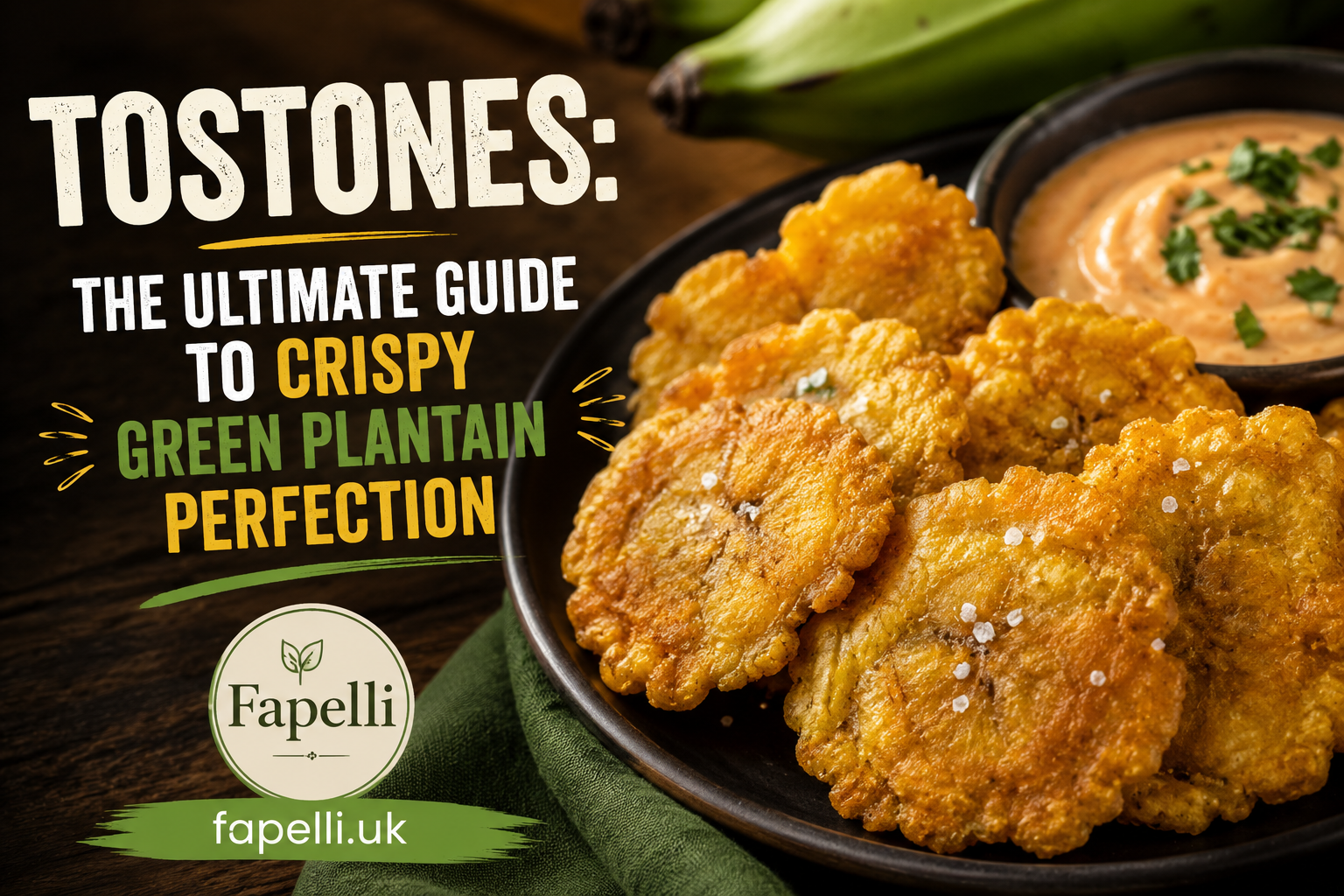
Tostones are made from green plantains that are sliced, fried, smashed, and fried again until golden and crispy. This double-frying technique gives them their signature crunch on the outside while keeping a soft interior.
At their core, tostones are a simple dish, but their flavor is rich and satisfying. They are often served with garlic sauce, ketchup mayo, or even fresh guacamole, making them incredibly versatile for different taste preferences.
The beauty of tostones lies in their simplicity. With just a few ingredients and basic cooking steps, you can create a dish that feels gourmet yet comforting at the same time. Across many cultures, tostones are enjoyed as appetizers, snacks, or side dishes.
Tostones have become a staple in many households because they are budget-friendly and easy to prepare. Despite their simplicity, they deliver a bold flavor and texture that keeps people coming back for more.
The History and Cultural Roots
The origin of tostones can be traced back to indigenous cooking traditions in the Caribbean and parts of Latin America. Plantains have long been a dietary staple in tropical regions due to their availability and versatility.
Over time, tostones evolved into a popular dish in countries like Puerto Rico, the Dominican Republic, Cuba, and beyond. Each region added its own twist, but the core idea remained the same: transforming green plantains into a crispy delight.
In Caribbean households, tostones are often served during family gatherings and celebrations. They symbolize comfort, hospitality, and shared meals. This cultural importance has helped the dish remain relevant across generations.
Today, tostones are enjoyed worldwide, not just in their regions of origin. Their global popularity continues to grow thanks to the rise of Latin cuisine in international food culture.
Ingredients You Need
Making perfect tostones requires only a handful of ingredients, but quality matters. The main ingredient is green plantains, which are firm, starchy, and not yet ripe.
You’ll also need cooking oil for frying, salt for seasoning, and optional flavor enhancers like garlic, lime juice, or spices depending on your preference.
The simplicity of ingredients is what makes tostones so accessible. Even with minimal pantry items, you can create a dish that tastes restaurant-quality at home.
Many chefs recommend using fresh, firm plantains for the best results. Overripe plantains are too soft and sweet, which changes the texture and flavor of traditional tostones.
How to Make Crispy Perfection
The process of making tostones involves a unique double-frying technique. First, the plantains are peeled and sliced into thick rounds. Then they are lightly fried until slightly tender.
After the first fry, the slices are removed and smashed flat using a plate or a tostonera (a traditional plantain press). This step is crucial for achieving the signature shape and texture.
Once flattened, the plantains are fried again until crispy and golden brown. This second fry is what gives tostones their crunch and irresistible flavor.
Many home cooks enjoy experimenting with seasoning after frying. A sprinkle of salt or a garlic-lime mixture can elevate the flavor significantly.
Tostones are best enjoyed fresh, while still warm and crispy. They tend to lose their crunch over time, so serving immediately is recommended for the best experience.
Popular Variations Around the World
While the traditional version remains the most popular, many variations of tostones exist across different cultures. Some versions are thicker, while others are thinner and extra crispy.
In some regions, tostones are topped with shredded beef, shrimp, or cheese, turning them into a complete meal rather than just a side dish. These creative adaptations have made them even more popular globally.
Sweet-savory fusion versions also exist, where a touch of honey or spicy sauces are added for contrast. These modern twists show how flexible tostones can be in contemporary cuisine.
Despite these variations, the traditional version continues to be the most widely loved and recognized form.
Nutritional Value and Health Benefits
Tostones are often considered a better alternative to processed snacks due to their natural ingredients. Green plantains are rich in fiber, potassium, and essential vitamins.
Although they are fried, they can still fit into a balanced diet when eaten in moderation. Air-fried or baked versions are also becoming popular for those seeking healthier alternatives.
The energy provided by tostones makes them a great choice for active individuals. They are filling, satisfying, and provide a good source of complex carbohydrates.
Like any fried food, portion control is key. Enjoying them occasionally as part of a balanced meal is the best approach.
Serving Ideas and Pairings
Tostones pair beautifully with a variety of dishes. They are commonly served with grilled meats, seafood, or hearty stews. Their crunchy texture complements soft and juicy foods perfectly.
Dipping sauces play a big role in enhancing their flavor. Garlic sauce, spicy mayo, and avocado-based dips are among the most popular choices.
They also work well as appetizers at parties or gatherings. Their finger-food nature makes them ideal for sharing and social eating.
In modern cuisine, chefs often use them as a base for creative toppings, similar to small edible plates.
Expert Tips for Best Results
Getting perfect tostones requires attention to detail. One of the most important tips is choosing the right plantains—always green and firm.
Another key tip is maintaining the correct oil temperature. If the oil is too cold, the plantains absorb excess oil and become soggy. If too hot, they burn quickly.
Smashing the plantains evenly ensures uniform cooking. Uneven thickness can result in inconsistent texture.
Finally, seasoning immediately after frying helps the salt and flavors stick better to the crispy surface.
Common Mistakes to Avoid
One common mistake is using ripe plantains instead of green ones. This completely changes the texture and sweetness of the dish.
Another mistake is skipping the second fry. Without it, you won’t achieve the signature crispiness that defines authentic tostones.
Overcrowding the pan is also a frequent error. It lowers oil temperature and leads to uneven cooking.
Avoiding these mistakes ensures a much better final result and a more enjoyable eating experience.
Comparison Table: Tostones vs Other Plantain Dishes
| Feature | Tostones | Sweet Plantains | Plantain Chips |
|---|---|---|---|
| Ripeness | Green | Ripe | Green |
| Cooking Method | Twice-fried | Pan-fried or baked | Thin fried slices |
| Texture | Crispy & firm | Soft & sweet | Extra crispy |
| Flavor Profile | Savory & salty | Sweet & caramelized | Lightly salted |
| Common Use | Side dish/snack | Side dish/dessert | Snack |
This comparison highlights how versatile plantains can be in different forms, with tostones standing out for their crunch and savory appeal.
Famous Quote About Tostones
“The secret to comfort food is not complexity, but the joy it brings in every bite.”
This quote perfectly captures why tostones are so loved across cultures—they are simple, but deeply satisfying.
Conclusion
Tostones are more than just a fried snack; they are a cultural experience, a comfort food, and a versatile dish enjoyed across the world. From their humble origins to their global popularity, they continue to win hearts with their crispy texture and rich flavor.
Whether served at family dinners, restaurants, or casual gatherings, they bring people together through food. With simple ingredients and easy preparation, anyone can enjoy making and sharing this delicious dish at home.
Frequently Asked Questions
What makes tostones different from regular fried plantains?
Tostones are made using green plantains and are fried twice, giving them a unique crispy texture that differs from softer fried plantains.
Can I make tostones in an air fryer?
Yes, air-fried versions are possible and offer a healthier alternative while still maintaining a crunchy texture.
Are tostones healthy to eat?
They can be part of a balanced diet when eaten in moderation. They are made from natural ingredients but are traditionally fried.
What sauces go best with tostones?
Popular sauces include garlic sauce, spicy mayo, ketchup blends, and avocado-based dips.
Why are my tostones not crispy?
Common reasons include incorrect oil temperature, skipping the second fry, or using overly ripe plantains.
Can tostones be stored and reheated?
Yes, but they are best eaten fresh. Reheating in an oven or air fryer helps restore some crispiness.
What are tostones usually served with?
They are commonly served with meats, seafood, or as appetizers with dipping sauces.