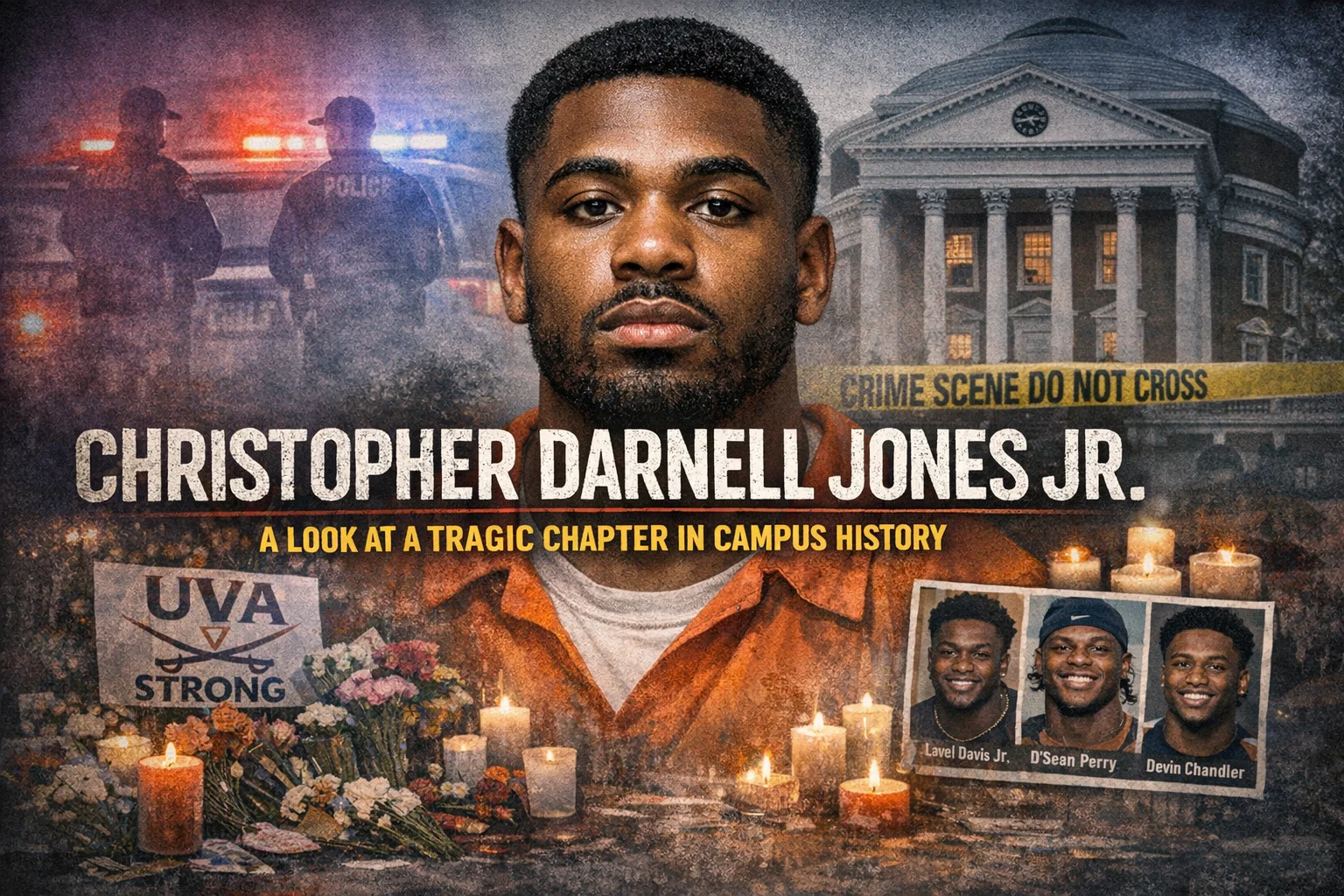
The University of Virginia has long stood as a beacon of academic excellence and Southern charm in Charlottesville, drawing students from across the country with its historic Grounds and vibrant community spirit. Yet on one fateful November evening in 2022, that sense of security was shattered in an instant, leaving families devastated and a campus forever changed. At the heart of this heartbreaking incident was a former student and athlete whose actions stunned everyone who knew him, or thought they did. This deep dive explores the full context surrounding the events, offering insight into the life that led up to that night, the immediate aftermath, the legal proceedings, and the ongoing healing process for all involved.
What makes stories like this so difficult to process is how they intersect with everyday campus life—field trips, sports teams, and friendships that should have been filled with promise. The 2022 University of Virginia shooting remains one of those moments that forces us to confront deeper questions about mental health, campus safety, and the pressures young adults face. While the focus often lands on the perpetrator, it is equally important to remember the lives lost and the resilience shown by survivors and loved ones. Through a careful examination of the background, timeline, and consequences, we can gain a clearer picture of how such a tragedy unfolded and what it means for similar communities moving forward.
Understanding the broader picture helps readers appreciate the human elements at play. From small-town roots to college dreams, the path that brought everyone together on that charter bus was filled with ordinary moments that turned extraordinary in the worst way possible. This article aims to provide an engaging yet respectful overview, highlighting key aspects without sensationalism, so readers can reflect on the importance of support systems and early intervention in young people’s lives.
Early Years in Virginia: Growing Up Amid Personal and Community Challenges
Life in Petersburg, Virginia, during the late 1990s and early 2000s shaped many young people in unique ways, blending a rich historical legacy with economic struggles that affected families across the region. Petersburg, known for its role in the Civil War and its vibrant African American heritage, offered a tight-knit environment where sports and academics often served as pathways out of hardship. For someone born on November 17, 1999, in this setting, the early years involved navigating a blend of community pride and personal difficulties that many families quietly faced.
Childhood in such areas frequently included close family bonds but also challenges like financial strain and household instability. Reports from later evaluations highlighted severe childhood trauma that influenced development, though details remained private out of respect for those involved. Young people in Petersburg often turned to extracurricular activities for structure and achievement, and football emerged as a popular outlet that built discipline and teamwork. The local school system emphasized both athletic and academic success, creating opportunities for standout students to shine even when home life presented obstacles.
As a boy, the individual showed early signs of intelligence and drive, participating in school programs that rewarded leadership and community service. These formative experiences in a city like Petersburg laid a foundation of resilience, yet underlying issues such as family disruptions could create lasting emotional impacts. Experts in child psychology often note how early trauma in low-income Southern communities can manifest later if not addressed through counseling or stable support networks. In this case, the blend of academic promise and personal hurdles created a complex portrait that only became clearer years later during legal proceedings.
Moving through middle school and into adolescence, the environment encouraged involvement in honors programs and volunteer work, fostering a sense of responsibility. Petersburg’s emphasis on education through initiatives like Jobs for Virginia Grads helped many teens prepare for college, and participation in such groups built confidence. However, the absence of consistent mental health resources in smaller cities meant that subtle signs of distress sometimes went unnoticed until much later. This period of growth highlighted both the potential and the vulnerabilities that many young Virginians experience when balancing ambition with life’s realities.
Rising Star in High School Football and Academics
High school years in Virginia often revolve around Friday night lights, where football serves as more than a game—it becomes a community celebration and a ticket to future opportunities. At Varina High School in Henrico County, the young athlete quickly made a name for himself on the field, earning honorable mention all-conference honors as a freshman. His speed and determination stood out, earning second-team recognition in subsequent seasons and drawing attention from coaches who saw real potential.
Academically, excellence came naturally alongside athletic pursuits. Being named Student of the Year twice reflected strong grades and involvement in prestigious groups like the National Honor Society and National Technical Honor Society. Leadership roles, including president of the Key Club and the Jobs for Virginia Grads Program, showcased a well-rounded individual committed to giving back. These achievements painted a picture of someone destined for success, balancing rigorous coursework with the physical demands of football practice.
Transferring to Petersburg High School for senior year allowed a return to hometown roots while continuing to excel. Again earning all-conference mention, the transition demonstrated adaptability that served well in team settings. High school football in Virginia carries intense pressure, with scouts attending games and families investing heavily in training. For many players, this environment builds character but can also amplify stress when combined with personal challenges at home.
The combination of athletic talent and academic honors opened doors to college recruitment, including interest from larger programs. Teammates and teachers recalled a dedicated student who pushed himself to stand out, often staying late for extra study sessions or workouts. This period represented peak promise, where dreams of playing at the collegiate level seemed within reach. Virginia’s high school sports culture emphasizes not just winning but personal growth, and many alumni credit these years with shaping their work ethic for life.
Yet beneath the accolades, subtle signs of internal struggle occasionally surfaced, though they appeared minor at the time. Friends described someone who kept personal matters private, focusing instead on performance and future goals. The high school experience in places like Varina and Petersburg often serves as a microcosm of broader Virginia life, where sports and education intersect to create pathways that can either lift individuals up or leave hidden pressures unaddressed until adulthood.
Life at the University of Virginia: Football Dreams and Emerging Pressures
Arriving at the University of Virginia in 2018 as a walk-on football player marked an exciting new chapter filled with big-campus energy and academic rigor. The Cavaliers’ program, steeped in tradition under legendary coaches, welcomed new talent eager to contribute. As a true freshman running back, the opportunity to join the team represented the culmination of years of hard work on Virginia high school fields. Though he never appeared in a game, the experience provided valuable lessons in discipline, teamwork, and balancing athletics with studies.
Campus life at UVA offers a unique blend of historic architecture, intellectual discussions, and social opportunities that attract ambitious students nationwide. Enrolled in classes that explored social justice topics, the former player immersed himself in university culture while navigating the demands of being a student-athlete. Walk-on positions require extra dedication since scholarships are limited, and many players juggle intense training schedules with coursework. This environment can foster incredible growth but also create feelings of isolation for those who feel they do not fully belong on the roster.
Over time, personal challenges began to surface more clearly. Previous incidents outside Charlottesville involving a concealed weapon and a hit-and-run charge hinted at difficulties adjusting to independence. University life, while enriching, can exacerbate underlying issues when support systems feel distant. Reports later indicated possible hazing experiences within the football program, though investigations found limited cooperation from witnesses. These elements contributed to a growing sense of disconnection that friends noticed but struggled to fully understand.
Academic pursuits continued alongside athletics, with enrollment in courses that aligned with interests in social issues. The university’s multidisciplinary threat assessment teams reached out when concerns arose about potential gun ownership in 2022, reflecting proactive campus safety measures. Despite these contacts, the individual remained enrolled and continued navigating daily routines. UVA’s supportive community includes resources for mental health, yet stigma or personal reluctance sometimes prevents students from seeking help until crises deepen.
The transition from high school star to college walk-on often involves adjusting expectations, and for many athletes, this shift brings both motivation and stress. Virginia’s football culture celebrates tradition, and the Grounds provided a beautiful backdrop for what should have been transformative years. Instead, mounting pressures—academic, athletic, and personal—created a complicated backdrop that set the stage for later events. Friends and mentors recalled someone who appeared focused on the future while quietly wrestling with internal demons that only became apparent in hindsight.
The Road to November 13, 2022: Warning Signs and the Fateful Field Trip
As fall 2022 progressed, subtle changes in behavior raised questions among close acquaintances. Texts sent to family members expressed love and hinted that “something would happen” that day, though their full meaning remained unclear until later. An adult mentor received messages suggesting the need for a criminal defense attorney and complaints about football players “messing with him all day.” These communications, combined with earlier concerns about possible gun possession, painted a picture of escalating distress that went unaddressed in critical ways.
The class field trip to Washington, D.C., offered what seemed like a positive outing for students in an African American playwrights course focused on a play about Emmett Till. Though not officially enrolled in that specific class, an invitation came through a related social justice course taught by the same professor. The trip involved attending the performance followed by dinner, creating an atmosphere of shared learning and camaraderie among participants. For many, it represented the kind of enriching experience that defines college life.
On the return charter bus, the mood shifted gradually. The individual sat alone, wearing headphones and appearing withdrawn while speaking quietly to himself. Classmates noted moody behavior that contrasted with earlier excitement about the excursion. A female classmate with whom he had an on-and-off relationship was also aboard, adding layers to his internal fixation that later testimony described as paranoia about being set up. These moments, though seemingly ordinary, carried ominous undertones when viewed through the lens of subsequent events.
Virginia universities like UVA emphasize field trips as integral to learning, blending education with real-world exposure. The bus ride back through the night should have been filled with reflections on the play and casual conversations, yet underlying tensions simmered. Drug use mentioned in later proceedings may have influenced perceptions, though the exact role remained debated. The combination of personal grievances, perceived slights, and untreated mental health concerns created a volatile situation that culminated near the Culbreth Parking Garage.
The Devastating Events on the Charter Bus: A Night That Changed Everything
As the bus pulled into the parking garage near the drama building around 10:15 p.m., a brief conversation about video games with Lavel Davis Jr. preceded the unthinkable. The individual pulled out a Glock handgun, yelled about being messed with all day, and began firing. The sequence unfolded rapidly, with Davis attempting to disarm the shooter before collapsing, followed by shots that claimed the lives of D’Sean Perry and Devin Chandler. Two others, Mike Hollins and Marlee Morgan, sustained wounds while chaos erupted.
Survivors described initial popping sounds mistaken for something harmless, then the unmistakable smell of gunpowder as panic set in. Students dropped to the floor, some attempting CPR while others sought cover. The professor quickly evacuated the group to the drama building, where frantic 911 calls and hiding in bathrooms became the immediate response. The attack targeted individuals who were defenseless or asleep, adding to the profound sense of betrayal felt by the community.
The 2022 University of Virginia shooting lasted mere minutes but left indelible scars. Victims included three promising football players whose futures held unlimited potential. The bus, filled with students celebrating a cultural outing, became the site of unimaginable loss. Emergency responders arrived swiftly, but the damage had been done, triggering a campus-wide lockdown that lasted until the following morning.
In the aftermath of the gunfire, students and faculty displayed incredible bravery, helping one another despite their own terror. The incident highlighted how quickly normal campus routines can turn tragic, prompting immediate reflections on security protocols across Virginia institutions. The raw emotion of that night continues to resonate, reminding everyone of the fragility of life and the importance of vigilance in educational settings.
Manhunt and Capture: A Tense Overnight Search
Following the shooting, the perpetrator fled toward Scott Stadium, discarding clothing and attempting to dispose of the handgun. A shelter-in-place order went out across the Grounds, with students receiving urgent “Run. Hide. Fight.” alerts on their phones. Law enforcement from multiple agencies launched a coordinated manhunt that gripped the Charlottesville area in fear until the early hours of November 14.
The arrest occurred around 11:24 a.m. in Henrico County when an officer spotted a matching vehicle. The individual was taken into custody without incident, ending the immediate threat but beginning a long legal journey. Body camera footage later showed initial denials of involvement, adding layers to the unfolding investigation. The swift resolution of the manhunt brought relief to a terrified campus while shifting focus to accountability and healing.
Virginia law enforcement’s collaboration during the search demonstrated effective crisis response, though the 12-hour ordeal left lasting anxiety among residents. News outlets covered the events around the clock, keeping families informed while authorities urged calm. The capture marked the end of one chapter but opened another filled with questions about prevention and support.
The Path Through the Justice System: Charges, Plea, and Sentencing Proceedings
Initial charges included three counts of second-degree murder and firearm violations, later upgraded to include malicious wounding and additional counts. The suspect was held without bond at the Albemarle-Charlottesville Regional Jail as the case moved through the courts. Prosecutors built a case emphasizing premeditation based on texts and actions, while the defense prepared arguments centered on mental state.
In November 2024, a guilty plea to three counts of first-degree murder, two counts of aggravated malicious wounding, and five firearm charges resolved the trial phase. This agreement spared victims’ families a full courtroom battle but led to a multi-day sentencing hearing in November 2025. Judge Cheryl Higgins presided over testimony that spanned five days, allowing both sides to present evidence and personal statements.
The legal process in Virginia for such cases involves careful consideration of aggravating and mitigating factors. Prosecutors highlighted increasing lawlessness, including prior drug activity and weapon charges, arguing the acts constituted a deliberate criminal episode. The defense countered with evidence of distorted perceptions and untreated trauma, calling experts to explain psychological elements. The hearing provided a forum for justice while centering the voices of those most affected.
On November 21, 2025, the maximum sentence of five consecutive life terms plus 23 years was imposed. The decision reflected the severity of shooting defenseless victims and wounding others in flight. Transfer to Red Onion State Prison followed, closing the criminal proceedings while leaving emotional wounds open for many.
Voices from the Courtroom: Heartbreaking Testimonies and Statements
Families filled the courtroom daily, sharing stories of love and loss that moved everyone present. Happy Perry, mother of D’Sean, recalled nightly calls from her son, including his final “I love you, too, Mom” before the bus ride ended in tragedy. Her words captured the everyday bonds destroyed in moments, leaving a lifetime of heartache.
Survivors Mike Hollins and Marlee Morgan testified about their recovery journeys, demonstrating remarkable strength. Hollins returned to the field and earned a master’s degree, while Morgan achieved track goals and advanced her education. Their resilience inspired many, turning personal pain into motivation for others facing adversity.
A forensic psychologist described severe childhood trauma leading to paranoia and perceptual distortions, including voices urging action right before the shooting. The individual expressed remorse in court, apologizing for the pain caused, though some family members left the room during his statement. Prosecutor comments emphasized that many face hardship without resorting to violence, underscoring the choices involved.
These testimonies humanized the proceedings, balancing legal arguments with raw emotion. Judge Higgins noted the defenseless nature of the victims in delivering the sentence, ensuring accountability while acknowledging the broader impact.
Honoring the Victims: Lives Cut Short but Legacies That Endure
Devin Chandler, D’Sean Perry, and Lavel Davis Jr. represented the best of UVA football—talented, kind, and full of potential. Chandler’s artistic side and radiant smile lit up rooms, while Perry’s protective nature and daily family calls showed deep loyalty. Davis Jr.’s humility and hard work made him a teammate everyone admired. Their jersey numbers—1, 15, and 41—now symbolize strength and remembrance across the Grounds.
Memorials included a massive vigil with candles and “UVA Strong” signs, followed by a service attended by thousands featuring notable speakers. Posthumous degrees and scholarships honor their dreams, ensuring their influence continues. Survivors like Hollins received awards for perseverance, turning tragedy into inspiration.
The football program held special senior days and canceled games to grieve, while the NFL Draft paid tribute with honorary picks. These acts of remembrance keep the victims’ spirits alive, reminding everyone of the bright futures stolen too soon.
Community Healing and Lessons Learned from the Tragedy
UVA’s response included counseling hotlines, canceled classes, and administrative support for affected families. President statements expressed heartbreak while calling for unity. Broader Virginia communities rallied with prayers and donations, showing solidarity in crisis.
The incident sparked conversations about campus safety enhancements, mental health resources, and gun access. Threat assessment teams gained renewed focus, and training programs expanded to recognize warning signs earlier. Healing remains ongoing, with annual remembrances helping process grief while fostering resilience.
Understanding Trauma and Mental Health in Young Adults
Childhood experiences can profoundly affect adult behavior, particularly when trauma goes unaddressed. Paranoia and distorted thinking, as described in evaluations, highlight the need for accessible counseling on college campuses. Many young adults face similar pressures without support, making early intervention crucial.
Virginia institutions continue improving mental health services, encouraging students to seek help without stigma. Broader discussions on drug use, bullying perceptions, and relationship dynamics add layers to prevention strategies. By learning from difficult cases, communities build stronger safety nets for future generations.
Timeline of Key Events
| Date | Event Description |
|---|---|
| November 17, 1999 | Birth in Petersburg, Virginia |
| 2015–2018 | High school football and academic achievements at Varina and Petersburg High Schools |
| 2018 | Joins UVA football as walk-on |
| September 2022 | University investigation into possible gun ownership |
| November 13, 2022 | Shooting on charter bus after D.C. field trip |
| November 14, 2022 | Arrest in Henrico County |
| November 2024 | Guilty plea entered |
| November 2025 | Sentencing to five life terms plus 23 years |
This table captures the major milestones, illustrating how events unfolded over time.
” This was not a freak, psychotic episode. This was a criminal episode.” – Prosecutor Richard Farley during closing arguments.
” He believes Jones has a distortion in perception caused largely by severe childhood trauma.” – Defense psychologist Dr. Jeffrey Aaron.
” Today’s sentencing is another step in the long and difficult recovery.” – UVA interim President Paul Mahoney.
Conclusion
The story surrounding Christopher Darnell Jones Jr. serves as a somber reminder of how quickly promise can turn to tragedy when personal struggles go unsupported. The 2022 University of Virginia shooting claimed three young lives and injured others, forever altering families, teammates, and an entire campus community. Through detailed examination of background, events, and aftermath, we see the importance of mental health awareness, robust safety measures, and compassionate support systems in preventing similar losses.
While justice has been served through the courts, true healing comes from honoring the victims’ memories and committing to positive change. Virginia and institutions nationwide continue learning from this painful chapter, strengthening resources so that future students can thrive without fear. The resilience shown by survivors and loved ones inspires ongoing efforts to build safer, more understanding environments. Ultimately, reflecting on such incidents encourages us all to prioritize connection, empathy, and early intervention, ensuring that no one slips through the cracks in silence.
FAQ
Who is Christopher Darnell Jones Jr.?
Christopher Darnell Jones Jr. is the former University of Virginia student and walk-on football player who carried out the 2022 shooting on campus Grounds. Born in Petersburg, Virginia, he had a background in high school athletics and academics before enrolling at UVA, where personal challenges eventually led to the tragic events of November 13, 2022. His case drew national attention due to the involvement of fellow student-athletes and the subsequent legal proceedings that concluded with a significant prison sentence.
What happened during the 2022 University of Virginia shooting involving Christopher Darnell Jones Jr.?
On the evening of November 13, 2022, after returning from a class field trip to Washington, D.C., Christopher Darnell Jones Jr. opened fire on a charter bus near the Culbreth Parking Garage. The attack resulted in the deaths of three UVA football players—Devin Chandler, D’Sean Perry, and Lavel Davis Jr.—and injuries to two others. The incident prompted a campus lockdown and a manhunt that ended with his arrest the next day.
What was the outcome of the sentencing for Christopher Darnell Jones Jr.?
In November 2025, following a guilty plea and a week-long hearing, Judge Cheryl Higgins sentenced Christopher Darnell Jones Jr. to five consecutive life terms plus 23 years in prison. The maximum penalty reflected the severity of the crimes, including first-degree murder and firearm charges. The decision came after emotional testimonies from victims’ families and survivors, marking a milestone in the legal process while allowing space for community healing.
How did mental health factors play a role in the case of Christopher Darnell Jones Jr.?
Defense arguments during sentencing highlighted severe childhood trauma and resulting paranoia that distorted perceptions for Christopher Darnell Jones Jr. A forensic psychologist testified about internal voices and beliefs of being targeted, though prosecutors maintained the actions were deliberate rather than solely the result of illness. The case underscored broader needs for accessible mental health support on college campuses to address similar warning signs early.
What lasting impact has the 2022 UVA shooting had on the University of Virginia community?
The tragedy led to enhanced safety protocols, expanded counseling services, and annual remembrance events at the University of Virginia. Victims’ legacies live on through scholarships, memorials, and tributes during football games. Survivors have become advocates for resilience, while the broader community continues working toward prevention of campus violence through education and support initiatives.
Are there any ongoing efforts to prevent similar incidents after the case of Christopher Darnell Jones Jr.?
Yes, Virginia universities and national organizations have strengthened threat assessment teams, mental health resources, and gun safety discussions following the events linked to Christopher Darnell Jones Jr. Training programs now focus on recognizing subtle behavioral changes, and advocacy groups push for better access to care. These efforts aim to honor the victims by creating safer environments for current and future students.

