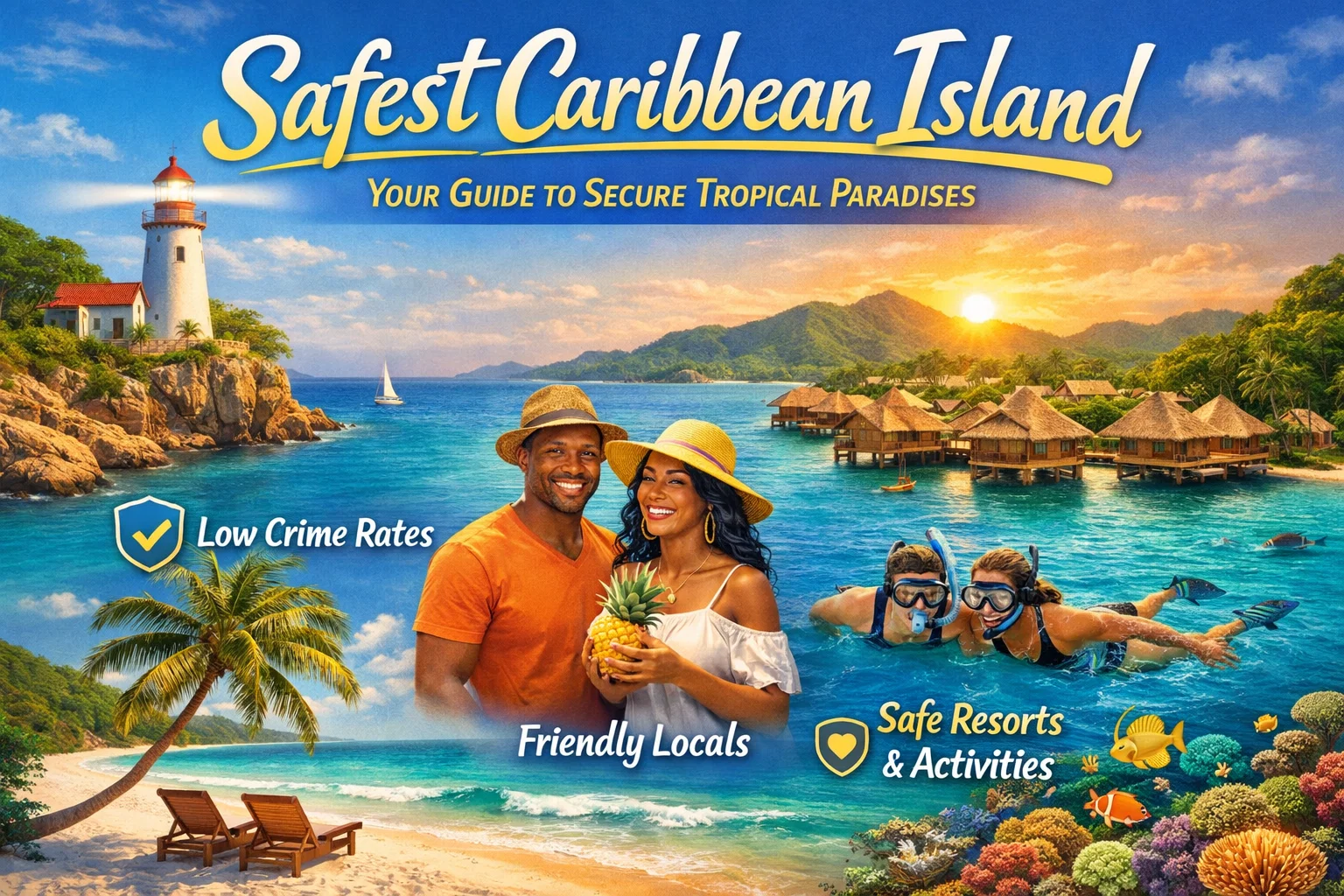
When you’re dreaming of a Caribbean escape, safety often tops the list of concerns. After all, who wants to worry about risks when you’re supposed to be sipping rum punches under swaying palms? The good news is that the Caribbean is home to some incredibly secure destinations where low crime rates, stable environments, and friendly locals make for the perfect backdrop to your tropical adventure. In this guide, we’ll dive deep into what makes an island stand out as the safest Caribbean island, highlighting top picks based on recent data from travel advisories, crime indexes, and global peace rankings.
Whether you’re a family looking for kid-friendly beaches, a solo traveler seeking serene hikes, or a couple wanting romantic sunsets without a care, understanding safety metrics can transform your trip. We’ll explore islands like Anguilla, which has been crowned the safest in recent rankings, alongside perennial favorites such as Aruba and the Cayman Islands. These spots not only boast stunning natural beauty but also prioritize visitor security through well-funded tourism police and community vigilance. By the end, you’ll have all the insights to choose your ideal safe Caribbean destination and plan a getaway that’s as relaxing as it is reassuring.
Understanding Safety in the Caribbean
Safety in the Caribbean isn’t just about low crime—it’s a mix of factors including political stability, natural disaster risks, health infrastructure, and even how welcoming the locals are. Many islands rely heavily on tourism, so they invest in keeping visitors secure, with dedicated patrols in popular areas and quick-response emergency services. According to various indexes, the safest Caribbean island often scores high on metrics like the Global Peace Index and Numbeo’s Safety Index, where low violent crime and high walking safety at night are key indicators.
Take natural disasters, for instance. Hurricanes can be a real threat during the Atlantic season from June to November, but some islands sit outside the main belt, reducing that worry. Health-wise, most safe Caribbean destinations have modern medical facilities, especially in tourist hubs, and low risks of diseases like Zika if you take basic precautions. Politically, British and Dutch territories tend to be more stable, contributing to their reputation as secure tropical getaways. It’s all about balance—choosing a spot where these elements align for peace of mind.
Of course, no place is entirely risk-free, but the safest Caribbean island contenders minimize threats through proactive measures. For example, community programs educate locals on tourism’s importance, fostering a protective atmosphere. Travelers often share stories of feeling safer here than in some U.S. cities, thanks to the tight-knit island vibe. As one expert from a travel safety report noted, “The Caribbean’s safest spots thrive because safety is woven into their culture—it’s good for business and good for everyone.”
Top Safest Caribbean Islands Ranked
Ranking the safest Caribbean island involves crunching numbers from sources like the U.S. State Department advisories, which categorize most as Level 1 (exercise normal precautions), and crime data showing low incidents of violence. Anguilla frequently tops lists with its negligible crime and hurricane-resistant location, followed closely by Aruba and St. Barts. These rankings consider everything from homicide rates (often under 5 per 100,000) to emergency response times.
To give you a clear picture, here’s a table comparing key safety aspects of the top contenders:
| Island | Crime Index (Lower is Better) | U.S. Advisory Level | Hurricane Risk | Safety Score (Out of 100) |
|---|---|---|---|---|
| Anguilla | 20.5 | Level 1 | Low | 95 |
| Aruba | 30.8 | Level 1 | Very Low | 92 |
| Cayman Islands | 25.1 | Level 1 | Moderate | 90 |
| Barbados | 35.4 | Level 1 | Moderate | 88 |
| Bonaire | 28.7 | Level 1 | Very Low | 89 |
| Curacao | 32.2 | Level 1 | Very Low | 87 |
| St. Barts | 18.9 | Level 1 | Low | 96 |
| Grenada | 40.3 | Level 2 | Moderate | 85 |
| Montserrat | 15.6 | Level 1 | Low | 94 |
| Turks & Caicos | 38.5 | Level 2 | Moderate | 86 |
This table highlights why Anguilla edges out as the safest Caribbean island—its ultra-low crime and peaceful vibe are unmatched. Aruba shines for being outside the hurricane belt, making it a year-round safe bet. Each of these low-crime Caribbean islands offers unique perks, from diving in Bonaire to luxury in St. Barts, all while keeping safety front and center.
Travelers rave about these spots. One visitor to Anguilla shared, “It’s like stepping into a postcard where everyone watches out for each other—no locks needed on beach chairs!” Similarly, a family in the Caymans noted the “impeccable security at resorts, letting us focus on fun.” These rankings aren’t static; they evolve with global events, but consistently, these islands prove their mettle as secure tropical getaways.
Why Anguilla Tops the List as the Safest Caribbean Island
Anguilla’s crown as the safest Caribbean island isn’t by accident—it’s earned through decades of low-key development and community focus. With just 33 pristine beaches and a population under 15,000, this British territory boasts crime rates lower than many European cities. Violent incidents are rare, and petty theft is minimal, thanks to vigilant locals who see tourists as guests, not targets. The island’s flat terrain and lack of dense urban areas further reduce risks, making it ideal for worry-free exploration.
What sets Anguilla apart is its emphasis on upscale, low-density tourism. Resorts here are spaced out, ensuring privacy and security, with many offering 24/7 patrols. Natural disaster risks are low too—it’s outside the main hurricane path, and earthquakes are infrequent. Health facilities are top-notch for its size, with quick air evacuations if needed. As a traveler put it in a recent review, “Anguilla feels like the world’s safest bubble—beaches, boats, and zero stress.”
Beyond stats, the culture plays a huge role. Anguillans are known for their warmth, often going out of their way to help visitors. This fosters a sense of security that’s hard to quantify but easy to feel. Whether you’re hiking the rugged north coast or dining at beachside shacks, the island’s tranquility shines. It’s no wonder families and celebrities flock here for safe Caribbean destinations that blend luxury with authenticity.

The safest Caribbean islands – The Manual
Aruba: A Hurricane-Free Safe Haven
Aruba earns its spot as a top safest Caribbean island by dodging hurricanes like a pro—its southern location keeps it clear of the storm belt, ensuring sunny days year-round. Crime is low, with a focus on tourism policing that makes bustling Oranjestad feel secure even at night. Beaches like Eagle and Palm are patrolled, and resorts have robust security, letting you relax without glancing over your shoulder.
The island’s Dutch influence brings efficient infrastructure, from clean water to reliable hospitals, minimizing health risks. Petty crime exists but is rare in tourist zones, and the “One Happy Island” motto reflects the friendly atmosphere. A quote from a safety expert: “Aruba’s proactive approach to visitor safety, combined with its natural advantages, makes it a standout secure tropical getaway.”
Families love Aruba for its mix of adventure and calm—snorkeling in crystal waters or exploring Arikok National Park feels effortless and safe. Solo travelers appreciate the ease of navigation, with English widely spoken and apps for real-time safety updates. It’s a place where you can chase sunsets on ATVs or lounge in hammocks, all while knowing it’s one of the low-crime Caribbean islands par excellence.

The Safest Caribbean Islands to Visit
Cayman Islands: Luxury and Low Crime
The Cayman Islands scream luxury, but they’re also a beacon for the safest Caribbean island seekers, with one of the lowest crime indexes in the region. Grand Cayman, the largest, features upscale resorts with gated entries and CCTV, while Seven Mile Beach is a haven of patrolled sands. Violent crime is virtually nonexistent, and the British governance ensures stability.
Natural disasters? The islands have sturdy building codes to withstand hurricanes, and early warning systems keep everyone informed. Health care is world-class, attracting medical tourists. As one expat shared, “Living here feels safer than back home—the community is tight, and police are always visible.”
Little Cayman and Cayman Brac offer even quieter escapes, perfect for divers exploring underwater walls without worry. The islands’ wealth from finance means top-tier security, making them ideal for high-end travelers. Whether banking on Grand Cayman or birdwatching on Brac, the Caymans deliver secure tropical getaways with a side of sophistication.
Barbados: Family-Friendly Security
Barbados stands out as a family-oriented safest Caribbean island, where low crime and vibrant culture create a welcoming environment. The east coast’s rugged waves contrast with the calm west, but safety is consistent—police presence in tourist areas like Bridgetown deters issues, and resorts emphasize child-friendly security.
Hurricanes can brush by, but the island’s preparedness, including shelters and apps, minimizes impact. Health risks are low, with excellent clinics. A local guide once said, “Bajans take pride in our safety—it’s why families return year after year.”
From catamaran tours to Harrison’s Cave explorations, activities feel secure and fun. The island’s English heritage brings familiar comforts, like driving on the left, while the rum shops add local flavor without edginess. It’s a spot where kids can build sandcastles freely, and parents unwind knowing it’s among the top safe Caribbean destinations.
Bonaire: Diving Paradise with Peace of Mind
Bonaire, part of the ABC islands, is a diver’s dream and a contender for safest Caribbean island, thanks to its remote feel and low population density. Crime is minimal—mostly opportunistic—and the focus on eco-tourism means protected marine parks where safety extends underwater with guided dives.
Outside the hurricane belt, it avoids major storms, and its arid climate reduces flood risks. Medical facilities are solid, with Dutch standards. A diver enthused, “Bonaire’s reefs are stunning, but the real gem is how safe it feels—rent a truck, explore freely.”
The island’s small size makes it easy to navigate, with friendly locals offering tips. From windsurfing in Lac Bay to hiking Washington Slagbaai Park, adventures are secure. It’s perfect for those seeking low-crime Caribbean islands with a sustainable twist.

The 15 Most Beautiful Places in the Caribbean: The Caribbean …
Curacao: Colorful and Secure Vibes
Curacao blends Dutch charm with Caribbean flair, earning its safe status through proactive policing and a diverse, tolerant society. Willemstad’s colorful architecture is a UNESCO site, patrolled to keep it visitor-friendly, with low violent crime rates.
Like its ABC siblings, it’s hurricane-resistant, and health services are reliable. A traveler quote: “Curacao’s mix of cultures feels safe and exciting—no need to stick to resorts.”
Beaches like Playa Kenepa offer secluded swims, while nightlife in Punda is lively yet secure. It’s a great pick for cultural explorers wanting secure tropical getaways without isolation.
St. Barts: Exclusive Safety for the Elite
St. Barts, or St. Barthélemy, is the ultra-exclusive safest Caribbean island, where low crime meets high-end luxury. French governance ensures top security, with private villas and yachts guarded discreetly. Violent incidents are unheard of, and the small size aids quick responses.
Hurricanes pose some risk, but rebuilding is swift. Health care is premium. As a celeb noted, “St. Barts is where you go to escape everything, including worries.”
From Gustavia’s boutiques to Anse de Colombier hikes, it’s serene. Ideal for those craving posh, low-crime Caribbean islands.
Grenada: Spice Island Serenity
Grenada, the “Spice Isle,” ranks well as a safest Caribbean island with its low-key vibe and community policing. Crime is moderate but low in tourist areas like Grand Anse Beach. Nutmeg scents the air, adding to the charm.
Hurricanes can hit, but spice farms and waterfalls provide inland safety. Health is good, with natural remedies abound. A local said, “Our spices heal, but our safety welcomes.”
Hiking to Annandale Falls or sailing feels secure. Great for eco-lovers in safe Caribbean destinations.
Montserrat: Volcanic but Very Safe
Montserrat’s volcanic history doesn’t deter its safest Caribbean island status—low population means low crime, and the volcano is monitored closely. The “Emerald Isle” offers unique black-sand beaches and Irish roots.
Earthquakes are a risk, but alerts are efficient. Health facilities are basic but effective. A visitor: “Montserrat’s raw beauty comes with genuine safety—locals are like family.”
Birdwatching and volcano tours are highlights in this underrated secure tropical getaway.
Turks & Caicos: Pristine Beaches, Protected Shores
Turks & Caicos balances luxury with safety, though recent upticks put it at Level 2. Still, Providenciales’ Grace Bay is patrolled, keeping it among low-crime Caribbean islands. Gated resorts enhance security.
Hurricanes are a concern, but infrastructure rebounds fast. Health is excellent. Quote: “T&C’s waters are clear, and so is the safety record.”
Snorkeling reefs or kiteboarding feels safe. Perfect for water enthusiasts.
Factors Affecting Safety: Crime, Natural Disasters, Health
Crime varies—safest Caribbean island spots have low violent rates due to tourism dependence. Natural disasters like hurricanes favor southern islands. Health involves mosquito control and vaccinations.
Political stability in territories like Anguilla boosts safety. Economic factors: Wealthier islands invest more in security.
Understanding these helps choose wisely.
Travel Tips for Staying Safe on Caribbean Islands
Pack light, use hotel safes, avoid flashy jewelry. Stick to well-lit areas at night, use licensed taxis.
For natural disasters, check forecasts, have insurance. Health: Use repellent, drink bottled water.
Cultural respect goes far in safe Caribbean destinations.
Best Activities on the Safest Caribbean Islands
Snorkeling in Aruba’s wrecks, hiking Anguilla’s trails, diving Bonaire’s reefs—all secure.
Yachting in St. Barts, spice tours in Grenada. Family picnics on Barbados beaches.
Adventures abound without risks.
Accommodations and Resorts on Safe Islands
From Anguilla’s Zemi Beach House to Aruba’s Hyatt Regency, resorts prioritize safety with guards and amenities.
Boutique options in Curacao offer intimate security. Eco-lodges in Montserrat blend nature and protection.
Cuisine and Culture in Secure Tropical Getaways
Savor flying fish in Barbados, conch in Turks & Caicos—safe street food scenes.
Festivals like Anguilla’s Carnival are secure fun. Rum tastings in Grenada highlight cultural safety.
Conclusion
Choosing the safest Caribbean island means blending paradise with peace. Whether Anguilla’s top ranking or Aruba’s reliability, these spots offer unforgettable escapes. Prioritize safety, embrace the vibes, and your tropical dream awaits—book that ticket and unwind securely.
FAQ
What is the safest Caribbean island for families?
The safest Caribbean island for families often points to Barbados or the Cayman Islands, where low crime and family-oriented resorts shine. Beaches are patrolled, and activities like snorkeling are supervised, ensuring kids play freely while parents relax.
Detailed safety comes from community involvement—locals treat visitors like extended family. With Level 1 advisories, these islands minimize risks, making them top safe Caribbean destinations for multi-generational trips.
Which safest Caribbean island is best for solo travelers?
Anguilla stands out as the safest Caribbean island for solo travelers, with its low-key atmosphere and minimal crime. Easy navigation and friendly locals make exploring alone feel secure.
From beach walks to dining, the island’s tranquility supports independent adventures. Recent rankings confirm its top spot among low-crime Caribbean islands.
How do natural disasters affect the safest Caribbean island choices?
Natural disasters like hurricanes influence picks, favoring islands like Aruba outside the belt as the safest Caribbean island options. They offer consistent weather without storm worries.
Monitoring and resilient infrastructure keep risks low, ensuring secure tropical getaways year-round.
What makes Anguilla the overall safest Caribbean island?
Anguilla’s ultra-low crime, stable governance, and community vigilance crown it the safest Caribbean island. Beaches and resorts emphasize security without sacrificing charm.
Its ranking reflects negligible violent incidents and quick emergency responses, ideal for worry-free vacations.
Are there budget-friendly options among the safest Caribbean islands?
Yes, Bonaire provides affordable diving as a safest Caribbean island, with low costs and high safety. Eco-lodges and local eateries keep expenses down.
It balances budget with security, proving safe Caribbean destinations don’t always break the bank.
Is St. Barts considered the safest Caribbean island for luxury seekers?
St. Barts excels as the safest Caribbean island for luxury, with exclusive villas and discreet security. Low crime and high-end amenities cater to elites.
Its French sophistication adds to the secure appeal, making it a premium choice.

