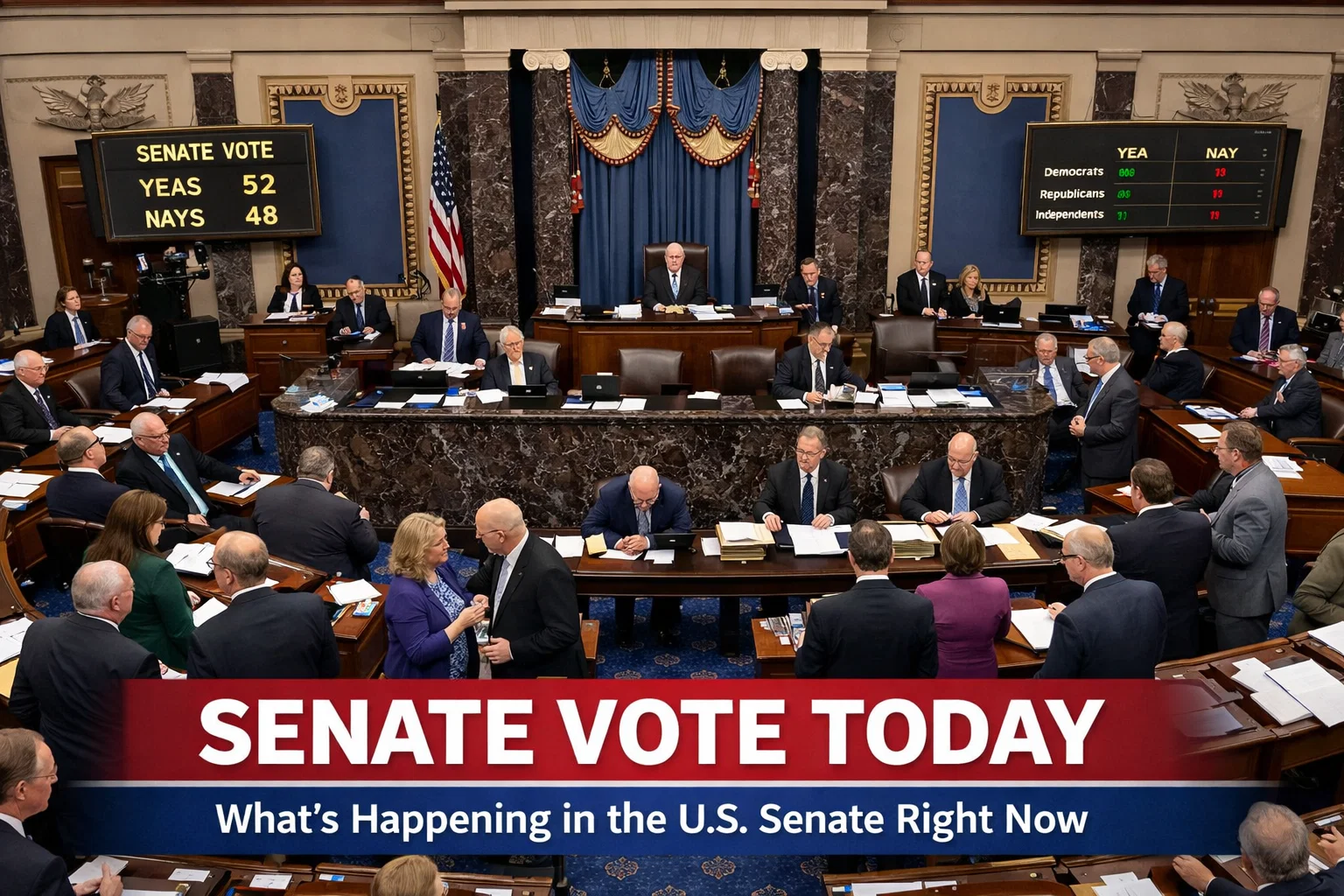
Hey there, if you’re tuning in to catch the latest on the senate vote today, you’re not alone. In a world where political drama unfolds faster than a binge-worthy series, keeping tabs on what’s going down in the U.S. Senate can feel like essential homework for any informed citizen. Today, March 1, 2026, things are a bit quieter than usual—no major floor action or roll calls scheduled. But that doesn’t mean the intrigue stops. We’re diving deep into the context, from ongoing government funding battles to international flare-ups, all while unpacking how these moments shape our democracy.
Think of the Senate as the thoughtful sibling to the House—deliberative, strategic, and often where big ideas either soar or crash. The senate vote today might be on pause, but the ripple effects of recent decisions are still making waves. Whether it’s nominations getting the green light or bills hanging in the balance, understanding these votes helps us grasp why Washington sometimes feels like a never-ending chess game. Stick around as we break it all down in a way that’s straightforward, engaging, and packed with insights you can chat about at your next gathering.
Understanding How Senate Votes Work
Let’s start with the basics because even if you’re a politics junkie, the Senate’s voting process can seem like a maze designed by history buffs. At its core, a senate vote today—or any day—involves senators casting their yea or nay on everything from bills to nominations. The chamber operates under rules that prioritize debate, often leading to filibusters or cloture motions to cut off endless talking. Cloture, for instance, needs 60 votes to move things along, which is why bipartisanship isn’t just nice—it’s often necessary.
Beyond the mechanics, these votes reflect broader power dynamics. Majority leaders schedule what’s up for grabs, influencing everything from economic policy to foreign affairs. In today’s polarized climate, a simple majority might pass a nomination, but transformative legislation? That often requires wheeling and dealing across the aisle. It’s this blend of tradition and tactics that makes following the senate vote today so captivating—it’s not just about the outcome, but the strategy behind it.
Diving deeper, voice votes handle uncontroversial stuff quickly, while roll calls record each senator’s stance for the history books. This transparency holds lawmakers accountable, especially come election time. Related to this, terms like “quorum” ensure enough members are present, preventing ghost-town decisions. If you’re wondering why some votes drag on, blame the holds—individual senators can delay proceedings, adding layers of negotiation that keep things dynamic and sometimes frustratingly slow.
Recent Senate Votes and Their Impacts
Just last week, the Senate wrapped up some key actions that are still echoing through the halls of power. On February 26, 2026, we saw confirmation votes for judicial nominees, with tallies like 57-33 sealing the deal. These aren’t flashy, but they shape the judiciary for years, influencing rulings on everything from civil rights to corporate regulations. The senate vote today might be absent, but these recent ones remind us how the chamber quietly molds the nation’s legal landscape.
Take the cloture motion on the same day—60-34 to advance a nomination. It’s a classic example of how procedural votes pave the way for bigger wins. Impacts? A more conservative bench could mean shifts in policy interpretations, affecting everyday Americans. Critics argue it polarizes justice, while supporters see it as fulfilling campaign promises. Either way, these votes highlight the Senate’s role in balancing executive ambitions.
Looking back a bit further, February 25’s 50-45 confirmation underscores narrow margins in a divided Senate. Such close calls often spark debates on partisanship, with related keywords like “Senate confirmation process” trending in searches. The ripple effects extend to agencies awaiting leadership, delaying implementations of laws on health, environment, and more. It’s a reminder that even without a senate vote today, past actions keep the government machine humming—or sputtering.
Why No Senate Vote Today?
If you’re refreshing your feed for a senate vote today, here’s the scoop: the Senate is in recess. After adjourning on February 26, they’re not back until March 2 at 3 p.m. ET. Weekends and scheduled breaks like this are built-in for senators to consult constituents, fundraise, or simply recharge. In this case, it’s tied to the ongoing partial government shutdown, where no emergency session was called, leaving federal workers in limbo.
This pause isn’t unusual, but it amplifies frustrations amid pressing issues. Without a senate vote today, discussions on funding the Department of Homeland Security (DHS) stall, prolonging the shutdown that started February 14. Related terms like “government shutdown 2026” are buzzing, as hundreds of thousands face partial paychecks. It’s a strategic breather, but one that tests public patience in an election year.
Moreover, logistical realities play a role—senators scattered across states can’t just teleport back. Calls for special sessions exist, but without consensus, nothing happens. This downtime allows behind-the-scenes negotiations, potentially setting up Monday’s action. So while no senate vote today feels like a letdown, it’s part of the rhythm that ensures thoughtful governance over hasty decisions.
The Ongoing Government Shutdown Saga
The partial government shutdown gripping DHS since mid-February is a prime example of how stalled votes create real-world chaos. Without a funding bill, agencies like TSA, Border Patrol, and FEMA operate on fumes, leading to travel delays and security concerns. The senate vote today could have been a turning point, but with the chamber dark, we’re stuck at day 16, inching toward historical lengths.
Democrats and Republicans clash over ICE and border funding, with President Trump’s immigration policies at the heart. Bipartisan talks soured, leaving no quick fix. Impacts? Federal employees get partial pay today, straining families and economies. Related keywords such as “DHS shutdown effects” highlight broader worries, from airport lines to disaster response readiness.
Yet, shutdowns aren’t new—they’re leverage tools in budget battles. This one echoes past ones under Trump, where walls (literal and figurative) divide parties. Optimism points to March 2’s return, where a vote might emerge. Until then, it’s a waiting game, underscoring how the absence of a senate vote today prolongs national uncertainty.
Here’s a quick table summarizing recent shutdown timelines:
| Shutdown Start | Duration So Far | Key Agencies Affected | Potential End Date |
|---|---|---|---|
| Feb 14, 2026 | 16 days | DHS, TSA, ICE | March 2 or later |
| Previous (2025) | 35 days | Multiple federal | Jan 25, 2025 |
As Senator Chuck Schumer noted, “This Democrat shutdown must end—let’s fund responsibly.” Quotes like this fuel the narrative, showing leadership’s push for resolution.
Upcoming Senate Votes to Watch
Come Monday, March 2, the Senate resumes with a cloture vote at 5:30 p.m. on proceeding to the Housing for the 21st Century Act. This could be the next big senate vote, addressing affordable housing amid economic pressures. If it passes, debates heat up; if not, back to square one. Keep an eye on this—it’s tied to broader infrastructure talks.
Beyond that, expect movement on the DHS funding bill. With the shutdown dragging, pressure mounts for a compromise. Related phrases like “Senate cloture vote” will trend as analysts predict outcomes. Nominations might also queue up, continuing the judicial reshaping.
In the wings, war powers resolutions loom, especially post-Iran strikes. Senators like Tim Kaine are pushing for votes to rein in executive actions. No senate vote today means buildup for explosive sessions ahead, where global stakes meet domestic politics.
The Heated Debate Over the SAVE Act
Buzz on social media is all about the SAVE America Act, aimed at bolstering election integrity. Proponents, including Rep. Chip Roy, urge the Senate to pass it pronto, arguing it protects votes from fraud. Without a senate vote today, calls to oust Majority Leader John Thune grow, with primaries looming for 22 GOP seats in 2026.
Critics see it as voter suppression, but supporters quote Trump: “We must secure our elections now.” The act requires proof of citizenship for voting, tying into immigration debates. Related keywords like “SAVE Act Senate” spike as activists rally.
This push reflects midterm anxieties—voters demand action or threaten primaries. As one post put it, “Time to take control—vote them out if they stall.” It’s a grassroots fire that could reshape the chamber.
Tensions Rising from U.S. Strikes on Iran
Recent U.S. strikes on Iran have reignited calls for a war powers vote. Democrats condemn them as escalatory, with Sen. Tim Kaine stating, “The Senate should vote on my War Powers Resolution to block hostilities.” No senate vote today delays this, but bipartisan momentum builds.
The strikes, under President Trump, target alleged threats, but without congressional okay, they spark constitutional debates. Related terms like “Iran war powers Senate” capture the urgency, as lawmakers fear unchecked executive power.
House leaders echo the call, pushing for restrictions. As Hakeem Jeffries said, “Trump must explain to Congress immediately.” This could lead to floor votes soon, blending foreign policy with domestic oversight.
Preparing for the 2026 Midterms and Senate Races
With midterms on the horizon, every non-vote today factors into strategies. All 435 House seats and 35 Senate ones are up, including specials for vacancies. Primaries kick off March 3, setting stages for November 3, 2026.
Incumbents defend amid shutdown fallout and Iran tensions. Related keywords such as “2026 Senate elections” highlight stakes—GOP holds a slim majority, vulnerable to shifts. Voters, frustrated by delays, eye challengers.
Special elections for Ohio and Florida seats add twists, with appointees facing ballots. As polls show, issues like shutdowns sway independents, making the senate vote today (or lack thereof) a campaign talking point.
Historical Context of Senate Voting Patterns
Looking back, Senate votes have evolved from voice affirmations to electronic tallies, reflecting tech and transparency advances. In the 19th century, filibusters were rare; today, they’re strategy staples, often blocking progress.
Iconic votes, like the Civil Rights Act of 1964, required epic debates—75 days of filibuster before cloture. Related to current lulls, historical recesses allowed cooling off, preventing rash decisions.
Modern patterns show increased partisanship, with fewer cross-aisle votes. As historian Doris Kearns Goodwin quipped, “The Senate was designed to be the saucer cooling the House’s hot tea.” This wisdom explains why no senate vote today isn’t chaos—it’s deliberate pacing.
The Role of Senate Leadership in Scheduling Votes
Majority Leader John Thune’s decisions dictate when a senate vote today happens—or doesn’t. He sets the calendar, balancing party priorities with national needs. Amid SAVE Act pressure, his stance draws fire, with calls for removal.
Leadership involves wrangling 100 egos, using unanimous consent for smooth sailing or forcing roll calls for accountability. Related phrases like “Senate majority leader role” underscore this power.
Critics argue leaders prioritize donors over voters, but defenders see strategic genius. As Thune himself might say (paraphrasing past leaders), “Scheduling is an art, not a science.” This dynamic shapes daily agendas.
Public Perception and Media Coverage of Senate Votes
Media amplifies every senate vote today, turning procedural moves into headlines. Cable news dissects tallies, while social media fuels instant reactions—witness the SAVE Act tweets storming timelines.
Public trust dips during stalemates, with polls showing frustration over shutdowns. Related keywords like “Senate vote media coverage” reveal how framing influences opinions.
Yet, engaging coverage educates, as pundits explain cloture’s nuances. In a quote from a CNN analyst, “Votes aren’t just numbers—they’re narratives.” This spotlight ensures accountability, even on quiet days.
Economic Implications of Delayed Senate Votes
Delays like no senate vote today ripple economically, especially during shutdowns. DHS furloughs cost billions, disrupting supply chains and tourism.
Broader, unpassed bills stall investments—housing acts could boost construction jobs. Related terms such as “Senate vote economic impact” highlight these ties.
Analysts predict prolonged inaction could slow GDP growth. As economist Paul Krugman noted, “Congressional gridlock is the silent recession maker.” Businesses brace, underscoring votes’ real stakes.
International Ramifications of Senate Inaction
Globally, a paused senate vote today signals U.S. reliability—or lack thereof. Allies watch Iran responses, questioning commitment without war powers checks.
Trade deals linger, affecting markets from Europe to Asia. Related keywords like “Senate foreign policy votes” capture this scope.
Diplomats quote concerns: “America’s word matters—delays erode it.” Inaction on funding bills weakens aid, influencing geopolitics.
Technological Advances in Tracking Senate Votes
Apps and sites now track senate vote today in real-time, democratizing access. From Congress.gov to civic apps, users get alerts on roll calls.
This tech boosts engagement, with data visualizations clarifying patterns. Related phrases like “Senate vote tracking tools” grow popular.
As a tech expert observed, “Information empowers voters.” No more waiting for newspapers—it’s instant, enhancing democracy.
Citizen Involvement in Influencing Senate Votes
You can sway a senate vote today by calling offices or petitioning. Grassroots like SAVE Act campaigns show power in numbers.
Social media amplifies voices, pressuring leaders. Related keywords such as “how to contact senators” guide action.
Activist quote: “Democracy isn’t spectator sport—participate.” Even on off days, engagement builds momentum.
The Future of Bipartisanship in Senate Voting
Bipartisanship wanes, but glimmers exist in nominations crossing lines. Without a senate vote today, off-floor deals might foster it.
Challenges like polarization persist, but reforms like filibuster tweaks could help. Related terms like “Senate bipartisanship future” spark debates.
Optimists quote Lincoln: “A house divided cannot stand.” Hope lies in shared goals overriding divides.
Conclusion
Wrapping up our deep dive into the senate vote today, it’s clear that even quiet days pack political punch. From the shutdown’s toll to looming midterms, the Senate’s rhythm affects us all. As we look ahead to March 2’s action, remember: staying informed empowers change. Whether it’s pushing for the SAVE Act or war powers, your voice matters in this grand democratic experiment. Thanks for reading—let’s keep the conversation going.
FAQ
What Is the Status of the Senate Vote Today?
As of March 1, 2026, there is no senate vote today because the chamber is in recess. The Senate adjourned on February 26 and won’t reconvene until March 2 at 3 p.m. ET. This break aligns with standard scheduling, especially amid ongoing negotiations over critical issues like the government shutdown.
During such pauses, behind-the-scenes work continues, including talks on funding bills and nominations. If an emergency arose, a special session could be called, but nothing warrants that today. Keep an eye on official Senate channels for updates, as procedural votes like cloture could kick off the week strong.
Why Was There No Senate Vote Today on the Government Shutdown?
The absence of a senate vote today on the shutdown stems from the recess schedule and lack of bipartisan agreement. The partial DHS shutdown, now at 16 days, needs a funding bill that both parties can stomach, but divisions over ICE and border allocations persist.
Senators use this time to consult back home, potentially building support for compromises. Without a vote, federal impacts grow, but it’s a calculated wait to avoid failed attempts that could harden positions further.
When Is the Next Expected Senate Vote?
The next senate vote is slated for March 2, 2026, with a cloture motion at 5:30 p.m. on advancing the Housing for the 21st Century Act. This could lead to fuller debates if successful, addressing pressing domestic needs.
Depending on leadership, shutdown resolutions or war powers might follow. Stay tuned—votes often cascade once the chamber reconvenes, turning Mondays into must-watch days.
How Does the Senate Vote Today Affect the 2026 Midterms?
Even without a senate vote today, inaction fuels midterm narratives. With 35 seats up, including specials, delays on popular bills like the SAVE Act rile voters, prompting primary challenges.
Incumbents face scrutiny over partisanship, potentially shifting majorities. It’s a reminder that every non-vote is campaign fodder, influencing strategies from now until November 3, 2026.
What Role Do Nominations Play in Senate Votes?
Nominations often dominate senate votes, as seen in recent confirmations. They require simple majorities, making them faster than bills, but still spark debates on qualifications and ideology.
Without a senate vote today, pending ones build backlog, delaying agency functions. They’re key to executive agendas, shaping policy enforcement across government branches.
How Can I Track Future Senate Votes?
Tracking senate votes is easier than ever with tools like Congress.gov or apps offering real-time alerts. Search for “senate vote schedule” to find calendars and live streams.
Engage via social media or contact your senator for insights. This accessibility ensures you’re never out of the loop on a potential senate vote today or tomorrow.

