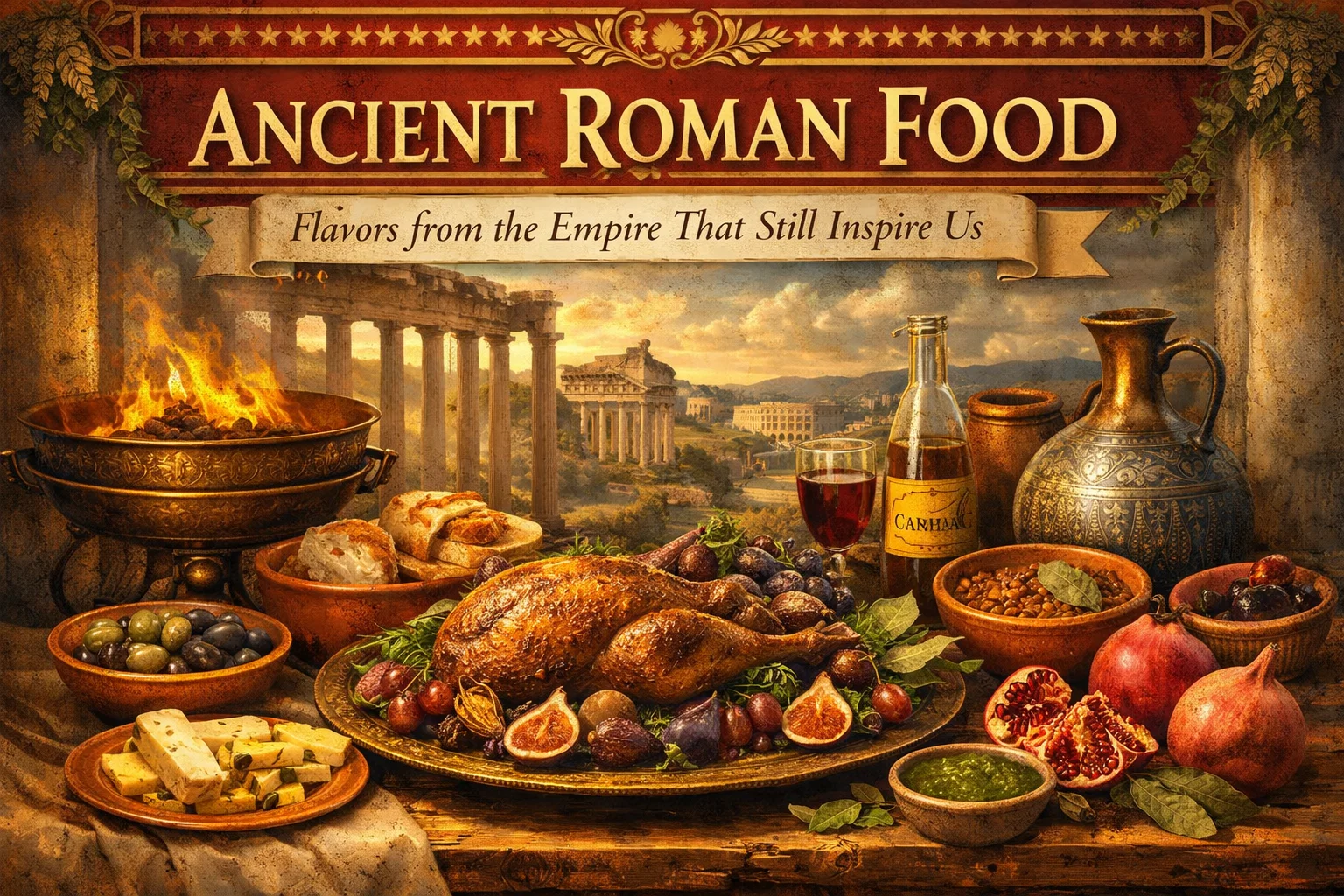
Ancient roman food offers a fascinating window into one of history’s most influential civilizations. Far more than mere sustenance, it reflected social status, trade networks stretching across the Mediterranean, and cultural values that prized hospitality and excess in equal measure. Whether you picture simple porridge shared by laborers or lavish multi-course feasts hosted by emperors, ancient roman food tells stories of innovation, adaptation, and pure enjoyment that continue to echo in kitchens today.
What makes ancient roman food so captivating is its blend of practicality and extravagance. Everyday Romans relied on hardy staples that sustained armies and cities alike, yet the elite turned dining into theater, complete with surprise dishes and entertainment. This contrast between humble roots and imperial flair created a cuisine that was both accessible and aspirational. As the empire expanded, new ingredients flooded in from conquered lands, transforming ancient roman food into a truly global affair long before the term existed.
Delving into ancient roman food reveals how Romans approached flavor in ways that feel surprisingly modern—balancing sweet and sour, layering herbs and spices, and using fermented condiments for depth. Yet it also highlights what was missing: no tomatoes, no pasta as we know it, and certainly no chocolate. Instead, the focus stayed on fresh produce, grains, olive oil, and that famous fish sauce that seasoned nearly everything. Understanding ancient roman food helps us appreciate not just what Romans ate, but why their culinary legacy endures.
The Evolution of Ancient Roman Food Over the Centuries
Ancient roman food did not spring up fully formed; it evolved dramatically as Rome transformed from a small republic into a vast empire. In the early days, during the Kingdom and early Republic periods, diets remained relatively simple and egalitarian. Most people subsisted on grains, basic vegetables, and whatever could be grown locally or foraged. Differences between rich and poor existed but were modest compared to later centuries. As military conquests brought wealth and exotic goods from Greece, Carthage, and beyond, ancient roman food began its journey toward greater sophistication and variety.
By the time of the late Republic and into the Empire, trade routes opened up entirely new possibilities. Ships carried silphium from North Africa, oysters from Brittany, and spices from the East, all of which found their way into Roman kitchens. This era saw the rise of professional chefs and specialized markets, turning food preparation into both an art and a status symbol. Ancient roman food became a way for the wealthy to display power—think peacocks roasted whole or dormice fattened on figs—while ordinary citizens still enjoyed more modest but satisfying meals centered around bread and olive oil.
The shift from republic to empire also changed meal structures and attitudes toward dining. What started as functional eating tied to agricultural rhythms gradually became social events that lasted hours. Writers of the time documented these changes, noting how imported luxuries reshaped tastes. Even as the empire faced challenges in its later years, ancient roman food retained its core identity: resourceful use of local bounty combined with a love for bold flavors and communal feasting. This evolution laid groundwork for many Mediterranean traditions we still cherish, proving that ancient roman food was never static but always adapting to the times.
Throughout these centuries, climate, politics, and technology played supporting roles. Better irrigation improved vegetable yields, while advances in baking produced finer breads for the elite. Sumptuary laws tried—and often failed—to curb excesses at banquets, showing how deeply food was intertwined with Roman identity. Exploring this timeline helps us see ancient roman food not as a single snapshot but as a living tradition that grew with the civilization itself.
Daily Eating Habits and Meal Times in Ancient Roman Food Culture
Romans structured their days around three main meals, though the importance and timing of each shifted over time. The first, called ientaculum, was a light breakfast taken at dawn. For most people this meant leftover bread from the previous day, perhaps dipped in wine or topped with cheese, olives, or dried fruit. It was quick and practical, designed to fuel the morning’s work without much fuss. In wealthier households, it might include eggs or honey for a touch more indulgence, but simplicity remained the rule.
Midday brought prandium, essentially a snack-like lunch that kept energy levels steady until the main event. This was rarely elaborate—think cold meats, vegetables, or more bread for laborers and soldiers. Upper-class Romans treated it lightly too, saving their appetites for later. The real star of the Roman day was cena, the evening meal that could stretch for hours among friends or family. What began as a simple porridge-based supper in earlier times evolved into a multi-course affair for those who could afford it, often followed by drinks and conversation long into the night.
These rhythms were practical, tied to sunlight and labor patterns, but they also carried social weight. Poorer Romans might combine prandium and cena into one heartier evening meal after a long day’s work, while the elite used cena as prime time for networking and display. Public spaces like thermopolia—early versions of fast-food counters—catered to those without home kitchens, serving hot stews and snacks to busy city dwellers. Even gladiators and spectators at events like those in the Colosseum grabbed quick bites of nuts, olives, or fruit between spectacles.
Understanding these daily patterns shows how ancient roman food wove into every aspect of life. It was never just about calories; it marked time, strengthened bonds, and signaled one’s place in society. From dawn’s simple bread to evening’s potential feast, Romans approached eating with purpose and pleasure in equal measure.
Core Staples and Grains That Sustained Ancient Roman Food Traditions
No discussion of ancient roman food is complete without highlighting grains as the true foundation. Wheat and emmer formed the backbone of most meals, turned into bread or the famous puls porridge that kept legions marching and families fed. Bakers in cities like Pompeii produced dozens of varieties, from coarse dark loaves for the masses to fine white versions reserved for the wealthy. Government grain distributions ensured even the poorest citizens had access, making bread far more than food—it was a political tool and daily necessity.
Puls itself was incredibly versatile. Cooks mixed emmer with water, salt, and fat, then added whatever vegetables or herbs were on hand for flavor. Soldiers carried portable versions on campaigns, while home cooks elevated it with cheese or honey for special occasions. This humble dish appears repeatedly in historical accounts as the everyday hero of ancient roman food, adaptable yet reliable in any kitchen or campsite.
Olive oil and wine rounded out the Mediterranean triad that defined Roman agriculture and diet. Olives were pressed into oil used for cooking, dipping, and even lighting lamps, while grapes became table fruit or fermented into wines ranging from everyday table varieties to aged prestige labels. These staples traveled with Roman expansion, planting vineyards and groves wherever the empire spread. Their presence in nearly every meal gave ancient roman food its distinctive character—bright, earthy, and deeply tied to the land.
These core elements did more than fill stomachs; they supported trade, shaped landscapes, and influenced health beliefs of the time. Romans viewed balanced consumption of grains, oil, and wine as key to vitality, an idea that feels remarkably forward-thinking. Even today, echoes of these staples appear in modern Mediterranean eating patterns, reminding us how foundational ancient roman food remains.
Vegetables, Fruits, and Legumes in Everyday Ancient Roman Food
Vegetables took center stage in ancient roman food for both rich and poor, offering variety, nutrition, and affordability. Cabbage, leeks, onions, asparagus, and beets appeared regularly, often boiled, roasted, or served raw with simple dressings. Romans prized fresh produce from kitchen gardens or local markets, turning even humble greens into flavorful sides through clever seasoning. Archaeological finds from preserved sites show just how diverse these plant-based options were, including herbs like coriander and dill that added brightness to dishes.
Fruits brought natural sweetness and color to the table. Figs, grapes, apples, pears, and pomegranates featured prominently, eaten fresh, dried, or preserved. Cherries and peaches arrived through trade and quickly became favorites, while exotic imports like dates added luxury to elite meals. Desserts often consisted of fruit platters rather than baked sweets, keeping things light yet satisfying after heavier courses.
Legumes such as lentils, chickpeas, fava beans, and peas provided affordable protein and bulk. Cooks prepared them in stews, purees, or salads, sometimes combining them with grains for complete nutrition. These humble ingredients appeared in both street food and banquet settings, proving their universal appeal. Romans even wrote about specific varieties and growing techniques, showing deep appreciation for what we might dismiss as simple beans today.
Together, these plant foods created balance in ancient roman food that modern nutritionists would applaud—high in fiber, vitamins, and antioxidants. They also allowed creativity: a basic cabbage dish could become elegant with the right herbs, while fruit compotes offered refreshing endings to meals. This emphasis on produce kept ancient roman food grounded even as exotic meats and sauces stole the spotlight in wealthier circles.
The Ubiquitous Garum and Other Condiments That Defined Ancient Roman Food Flavors
If one element unified ancient roman food across all classes, it was garum—the fermented fish sauce that Romans added to almost everything. Made by salting and aging fish guts and small fish for months, garum delivered intense umami that enhanced meats, vegetables, and even desserts. Different grades existed: the cheapest for everyday use, premium versions from specific regions for special occasions. Its popularity rivaled modern soy sauce or ketchup, appearing in recipes for stews, salads, and marinades alike.
Other condiments complemented garum beautifully. Honey provided sweetness, vinegar added tang, and a mix of herbs like lovage, cumin, and coriander created signature Roman profiles. Pepper, imported at great expense, signaled wealth when sprinkled liberally. These flavor boosters turned simple ingredients into memorable meals, showing how ancient roman food relied on clever combinations rather than rare luxuries alone.
Romans experimented constantly with sauces and reductions, some thickened with starch or egg for richness. Archaeological evidence and surviving texts reveal just how central condiments were—without them, many dishes would have tasted flat. Even soldiers received diluted versions in rations, proving garum’s role as an essential pantry staple.
This love of bold seasoning set ancient roman food apart and influenced later European traditions. While garum itself faded after the empire’s fall, its spirit lives on in fish sauces worldwide. Understanding these condiments helps explain why Roman meals tasted complex and satisfying despite limited refrigeration or global ingredients.
Meats, Fish, and Seafood Delicacies in Ancient Roman Food
Meat was not an everyday protein for most Romans, making its appearance special in ancient roman food. Pork dominated when available, appearing as sausages, roasts, or in stews. Beef was rarer, often linked to religious sacrifices, while poultry and game birds offered lighter options. The wealthy enjoyed exotic choices like dormice—fattened on nuts and honey then roasted—or even flamingo and peacock for truly impressive displays.
Fish and seafood brought variety and prestige, especially in coastal areas. Fresh catches from the Mediterranean featured alongside imported oysters and mullet. Recipes often called for poaching or grilling with garum-based sauces that highlighted natural flavors. Shellfish like mussels and oysters appeared in both simple street fare and elaborate banquets, showing their broad appeal.
Preparation methods ranged from spit-roasting to stewing, always with an eye toward maximizing taste and presentation. For the elite, seafood symbolized luxury and connection to far-flung trade routes. Even ordinary citizens enjoyed preserved or salted fish when fresh options were unavailable.
These protein sources added excitement and status to ancient roman food without overshadowing the grain and vegetable base. They also reflected Rome’s relationship with the sea and countryside, where fishing and hunting supplemented farming. The result was a cuisine that felt abundant even when resources were limited.
Lavish Roman Banquets and the Social Significance of Dining
Banquets represented the pinnacle of ancient roman food culture, transforming eating into performance art. Guests reclined on couches in the triclinium, enjoying multiple courses while musicians played and servants circulated. A typical banquet began with gustatio—appetizers like eggs, salads, and small seafood bites—followed by main dishes and ending with fruits, nuts, and sweets. The entire experience could last hours, blending food, conversation, and entertainment.
Hosts competed to impress, serving surprise dishes such as animals stuffed inside other animals or foods shaped like zodiac signs. These events strengthened alliances, celebrated victories, and displayed wealth. Yet not everyone approved; some writers criticized the excess, urging moderation. Still, banquets remained central to elite social life, where ancient roman food became a language of power and generosity.
Even public feasts for citizens mirrored this spirit on a larger scale, distributing food during holidays or triumphs. The atmosphere mixed refinement with revelry, often extending into late-night drinking. Archaeological finds and literary descriptions paint vivid pictures of these gatherings, complete with floral decorations and perfumed air.
Beyond indulgence, banquets served practical purposes—networking, patronage, and cultural exchange. They elevated ancient roman food from necessity to celebration, creating memories that outlasted the meals themselves.
“The Roman banquet was not merely a meal but rather a calculated spectacle of display that was intended to demonstrate the host’s wealth, status, and sophistication to his guests.”
This observation captures the essence perfectly, highlighting how dining became theater in ancient Rome.
Insights from the Apicius Cookbook and Famous Ancient Roman Recipes
The Apicius collection stands as the most important surviving guide to ancient roman food. Compiled around the fourth or fifth century but drawing on earlier traditions, it preserves hundreds of recipes geared toward wealthy kitchens. Organized into sections covering meats, vegetables, birds, and seafood, the book reveals techniques like stuffing, glazing, and sauce-making that feel surprisingly sophisticated.
Many recipes feature garum, honey, and pepper in creative combinations. A popular patina—a baked dish—might combine eggs, milk, and fruit or vegetables for a custard-like result. Another favorite involved lamb or kid stewed with herbs and thickened elegantly. These ancient roman recipes emphasize balance, layering flavors rather than overpowering them.
While written for professionals, the cookbook offers glimpses into everyday techniques too. Modern cooks who adapt the recipes often note how familiar the results taste despite the centuries. The text’s survival allows us direct insight into Roman culinary creativity, from simple vegetable preparations to elaborate presentations.
Studying Apicius deepens appreciation for ancient roman food’s technical skill. It shows Romans as innovators who valued presentation, preservation, and pleasure in equal measure. The book remains a treasure for anyone curious about historical cooking.
Class Differences: Food Experiences Across Ancient Roman Society
Social class shaped every aspect of ancient roman food, creating parallel dining worlds within the same empire. Plebeians relied on subsidized grain, basic vegetables, and occasional meat or fish. Their meals were hearty but repetitive, focused on filling the stomach after physical labor. Street vendors and simple home cooking kept things practical and affordable.
Patricians and equestrians enjoyed far greater variety and luxury. Private chefs prepared multi-course dinners featuring imported delicacies and artistic presentations. Banquets offered opportunities to showcase exotic ingredients unavailable to most citizens. Even daily meals included finer breads, aged wines, and fresh seafood.
Yet boundaries sometimes blurred. Patrons invited clients to dinners where food quality reflected status—better portions for higher-ranking guests. Public distributions and religious festivals gave ordinary Romans tastes of finer fare. This interplay made ancient roman food a mirror of broader society.
Differences extended to dining spaces and timing too. The wealthy relaxed in elegant triclinia while others ate standing or at simple tables. Over time, these contrasts fueled both admiration and criticism from writers who saw excess as moral decay. Still, the shared love of bread, oil, and wine united Romans across divides.
Beverages, Wines, and Drinks Paired with Ancient Roman Food
Wine was the drink of choice in ancient roman food culture, consumed diluted with water at meals and undiluted during after-dinner gatherings. Varieties ranged from light local vintages to prestigious aged options from specific regions. Romans appreciated wine’s role in digestion and sociability, viewing it as essential to civilized dining.
Other beverages included posca—a vinegar-water mix popular with soldiers—and mulsum, wine sweetened with honey for special occasions. Water itself was flavored with herbs or served chilled with snow in summer among the elite. These drinks complemented food flavors beautifully, cutting richness or enhancing sweetness.
Drinking customs added ritual to meals. Toasts honored gods or hosts, and passing cups fostered camaraderie. Excessive consumption drew criticism, yet moderate wine remained a daily staple for most adults.
The wine trade flourished alongside ancient roman food expansion, planting vineyards across provinces. This legacy influences global winemaking today, with many techniques traceable to Roman practices. Pairing drinks thoughtfully was just another way Romans elevated everyday eating into something memorable.
Kitchen Tools, Cooking Methods, and Innovations in Ancient Roman Food Preparation
Roman kitchens combined practicality with ingenuity. Portable braziers, clay ovens, and open hearths allowed flexible cooking whether in urban apartments or country villas. Chefs used bronze pots, iron spits, mortars for grinding spices, and sieves for smooth sauces. Many tools resemble modern ones—knives, graters, and molds for shaping foods.
Methods included roasting over fire, boiling, steaming, and baking in brick ovens. Preservation techniques like salting, drying, and pickling extended shelf life without refrigeration. Smoking meats and fermenting sauces like garum demonstrated advanced understanding of chemistry through trial and error.
Innovations spread with the empire: better ovens improved bread quality, while specialized molds created elegant presentations. Home cooks and professionals alike adapted techniques to available ingredients, showing resourcefulness that defined ancient roman food.
These practical elements grounded the cuisine in reality even during lavish banquets. The tools and methods enabled both simple survival meals and spectacular displays, proving Roman culinary success rested on solid foundations.
Archaeological Discoveries Revealing Secrets of Ancient Roman Food
Excavations at sites like Pompeii and Herculaneum have uncovered remarkable evidence of ancient roman food in action. Charred loaves of bread, preserved fruits, and fish bones tell stories of last meals interrupted by disaster. Thermopolia counters still show grooves for wine jars, while frescoes depict dining scenes complete with recognizable dishes.
Sewer systems yield seeds, bones, and plant remains that reveal everyday consumption patterns across classes. Market areas show organized trade in grains, vegetables, and imported luxuries. Even Colosseum drains contain traces of snacks enjoyed during games—pine nuts, olives, and fruit stones.
These finds confirm literary descriptions while adding surprising details, such as early flatbreads resembling modern pizza or widespread use of certain herbs. They humanize ancient roman food, showing it was vibrant and varied rather than uniform.
Ongoing discoveries continue refining our picture, from shipwrecks carrying amphorae of wine and garum to villa gardens with identifiable plantings. Archaeology brings ancient roman food to life in ways texts alone cannot, bridging centuries with tangible proof of Roman appetites.
Regional Variations and Provincial Influences on Ancient Roman Food
As the empire stretched from Britain to Egypt, ancient roman food absorbed countless local flavors. Northern provinces contributed hearty grains and dairy, while eastern areas introduced new spices and cooking styles. Coastal regions emphasized seafood, and inland areas focused on game and livestock.
Roman administrators and soldiers carried core ingredients like olive oil and garum wherever they went, but they also adopted native traditions. This fusion created distinctive regional cuisines that still felt Roman at heart. Trade ensured ingredients traveled in both directions, enriching the overall repertoire.
Provincial cooks adapted recipes to local availability—using different fish for sauces or substituting native herbs. Over time, these variations enriched ancient roman food without erasing its identity. The result was a cuisine that felt both unified and diverse, much like the empire itself.
These influences traveled back to Rome too, appearing in markets and elite tables. Regional specialties became fashionable, showing how ancient roman food thrived on exchange and adaptation across vast distances.
The Legacy of Ancient Roman Food in Modern Cuisine
Many elements of ancient roman food survive in today’s kitchens, often without us realizing their origins. Olive oil, wine, and herb combinations remain Mediterranean fundamentals. Pork preparations, sausage-making techniques, and certain vegetable dishes trace directly to Roman roots. Even the structure of meals—appetizer, main, dessert—echoes ancient banquet formats.
Italian cuisine in particular owes much to this heritage, though later additions like tomatoes and pasta transformed it further. Global interest in historical cooking has revived Apicius recipes in restaurants and home experiments, introducing modern palates to garum and patinas.
Beyond recipes, the Roman attitude toward food as social glue and creative expression endures. Farmers’ markets, shared meals, and seasonal eating all reflect values Romans would recognize. Ancient roman food’s emphasis on balance and flavor layering feels contemporary despite its age.
This lasting impact proves the cuisine’s genius lay in its adaptability and appeal. What began as practical survival food became a cultural force that still shapes how we eat and gather centuries later.
Myths and Misconceptions Surrounding Ancient Roman Food
Popular culture often misrepresents ancient roman food, especially regarding excess. The idea of vomitoriums—rooms for purging to eat more—is largely mythical; Romans actually used the term for theater exits. While banquets could be extravagant, most Romans ate modestly most days.
Another misconception paints all Roman meals as wildly exotic. In reality, everyday ancient roman food centered on bread, vegetables, and simple preparations. Exotic dishes were rare treats reserved for special occasions or the very wealthy.
Some assume Romans ate like modern Italians, complete with pasta and tomato sauce. Those ingredients arrived much later. The flavor profile relied instead on fish sauce, honey, and specific herbs quite different from contemporary Italian cooking.
Correcting these myths deepens appreciation for the real ingenuity and variety in ancient roman food. It was practical yet celebratory, diverse yet rooted in local bounty—a far more nuanced story than sensational tales suggest.
Table: Typical Meals by Social Class in Ancient Rome
| Social Class | Ientaculum (Breakfast) | Prandium (Lunch) | Cena (Dinner) |
|---|---|---|---|
| Plebeians | Bread with olives or cheese | Bread, vegetables, or leftovers | Porridge (puls), simple stew, or bread |
| Middle Class | Bread with fruit and wine | Cold meats, cheese, vegetables | Multi-dish meal with fish or meat |
| Elite | Eggs, honey, fine bread | Light snacks or cold platter | Lavish multi-course banquet with exotics |
This table illustrates the range of experiences within ancient roman food, highlighting how access shaped daily eating.
Conclusion
Ancient roman food represents far more than historical curiosity—it offers timeless lessons about resourcefulness, flavor balance, and the joy of shared meals. From humble grains that fed empires to spectacular banquets that sealed alliances, this cuisine shaped a civilization and left lasting marks on global eating habits. Its emphasis on fresh ingredients, clever seasoning, and social connection feels remarkably relevant in our fast-paced world.
As we experiment with revived recipes or simply appreciate a good olive oil and bread pairing, we connect directly with those ancient cooks and diners. Ancient roman food reminds us that great cuisine transcends time, adapting to new ingredients while preserving core principles of taste and hospitality. Whether you’re a history buff, food enthusiast, or casual cook, exploring this legacy enriches both palate and perspective.
The story of ancient roman food continues whenever we gather around a table, raise a glass of wine, and enjoy good company. It proves that some flavors—and the human bonds they create—truly never go out of style.
FAQ
What exactly was ancient roman food like for ordinary people?
Ancient roman food for everyday citizens centered on accessible, filling staples that provided energy for labor. Bread made from wheat or emmer was the star of nearly every meal, often accompanied by olives, cheese, or basic vegetables like cabbage and leeks. Porridge called puls served as a versatile base that could be flavored simply with herbs or fat. Meat appeared occasionally as sausages or cheap cuts, but most relied on legumes and seasonal produce. This practical approach kept ancient roman food nourishing and affordable, reflecting the realities of urban and rural life across the empire. Archaeological finds confirm these patterns, showing how Romans maximized local resources without waste.
How important was garum in ancient roman food traditions?
Garum played an absolutely central role in ancient roman food, functioning much like a universal seasoning that added depth and savoriness to virtually every dish. This fermented fish sauce came in various qualities and was used by all social classes, from soldiers’ rations to elite banquet sauces. Romans valued its umami punch so highly that recipes rarely omitted it, treating it as essential as salt is today. Its production involved careful aging processes that demonstrated advanced preservation knowledge. Without garum, many signature flavors of ancient roman food would have been entirely different, proving its status as the cuisine’s secret weapon across centuries.
What can we learn from the Apicius cookbook about ancient roman food?
The Apicius collection offers an invaluable direct look into ancient roman food techniques and tastes preferred by wealthier households. It organizes recipes by ingredient type and reveals sophisticated methods like creating custards, stews, and elaborate sauces using honey, pepper, and herbs alongside garum. Many dishes emphasize balance and presentation rather than sheer quantity, showing Roman cooks as skilled professionals. While geared toward luxury, the book also includes practical advice on preservation and substitutions that applied more broadly. Studying it helps us reconstruct not just recipes but the creative mindset behind ancient roman food, bridging the gap between past and present kitchens.
Did ancient roman food influence modern Italian and Mediterranean cuisines?
Absolutely—ancient roman food forms a foundational layer for much of modern Italian and broader Mediterranean eating. Staples like olive oil, wine, pork preparations, and herb combinations trace directly back to Roman practices. The emphasis on seasonal vegetables, fresh bread, and communal dining also carries forward. While later introductions like tomatoes transformed dishes, core techniques and flavor principles persist. From simple vegetable sides to wine pairings, echoes of ancient roman food appear in restaurants and home tables across the region. This continuity shows how resilient and adaptable the cuisine proved over millennia.
Were there any truly exotic or surprising foods in ancient roman food?
Yes, ancient roman food included several items that seem surprising today, especially among the elite who sought novelty and status. Dormice fattened on figs and roasted whole ranked as a delicacy, while roasted flamingo or peacock appeared at grand banquets. Silphium, an extinct herb from North Africa, flavored sauces until overharvesting made it legendary. Even certain flower petals or brains featured in creative preparations. These choices reflected empire-wide access to rare ingredients and a cultural love of spectacle. For most Romans, however, such exotics remained distant dreams, highlighting the contrast within ancient roman food culture.
The journey through ancient roman food reveals a cuisine full of depth, creativity, and human connection that continues inspiring us long after the empire faded. Whether recreating a simple porridge or imagining a lavish banquet, its flavors still have much to teach.