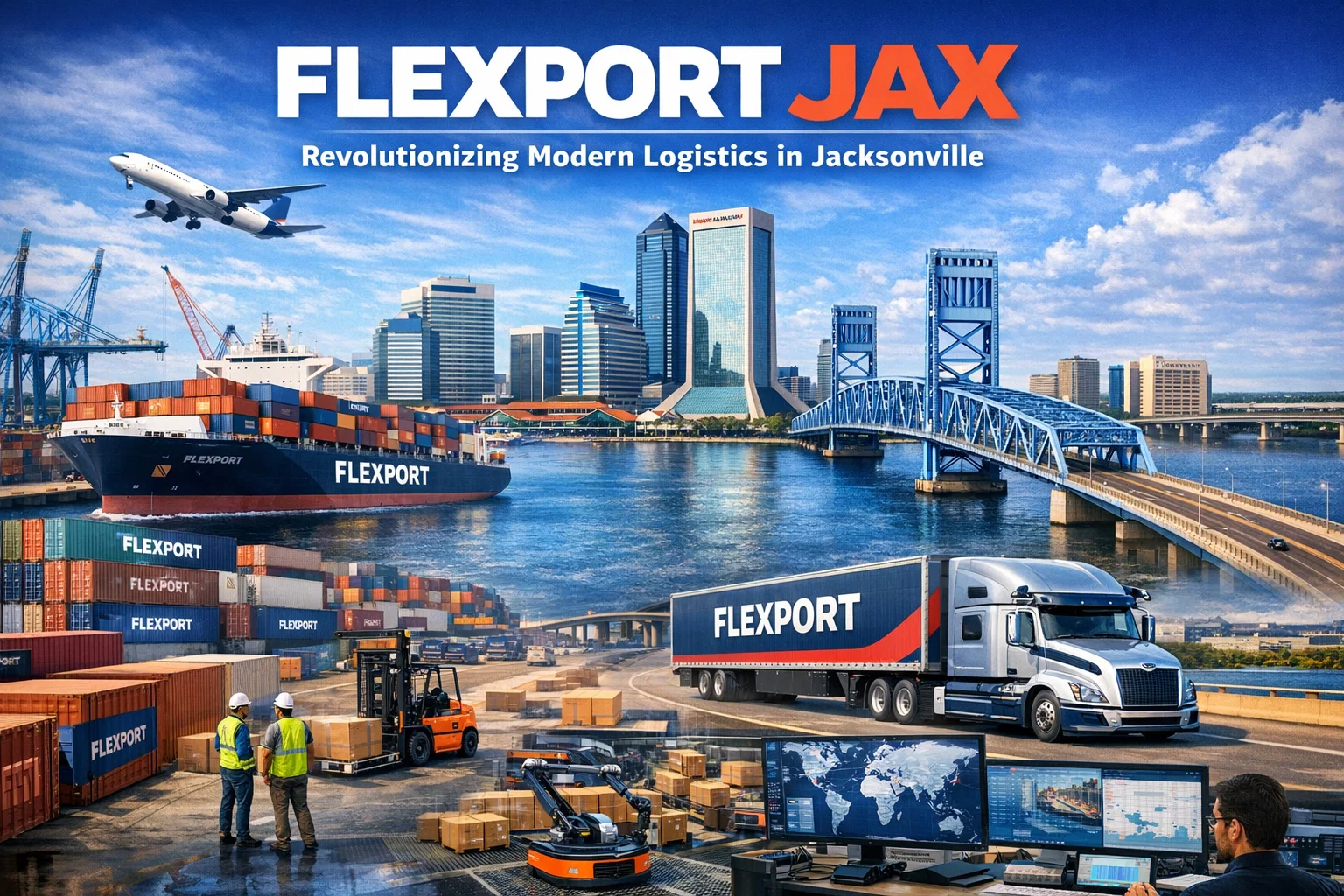
In today’s fast-paced world of global trade, businesses are constantly looking for smarter ways to move goods across borders without the usual headaches. That’s where Flexport JAX comes into play. Flexport JAX refers to the powerful combination of Flexport’s cutting-edge digital freight forwarding platform and the strategic advantages of Jacksonville, Florida—often abbreviated as JAX—with its world-class port, JAXPORT. This synergy is changing how companies handle imports, exports, and supply chains, making everything more efficient, transparent, and cost-effective.
Flexport, founded in 2013, has quickly become a leader in logistics by blending technology with traditional freight services. When paired with Jacksonville’s prime location on the Southeast coast, Flexport JAX offers businesses a game-changing gateway for shipping. Whether you’re a small e-commerce brand importing from Asia or a large manufacturer exporting to Europe, Flexport JAX provides the tools and infrastructure to streamline your operations. It’s not just about moving containers; it’s about gaining real-time insights, reducing delays, and optimizing costs in a way that old-school forwarders simply can’t match.
As global supply chains grow more complex—with disruptions like port congestion or trade regulations—Flexport JAX stands out as a reliable solution. Jacksonville’s deepwater port, excellent rail and highway connections, and proximity to major markets make it an ideal hub. Flexport leverages this to deliver faster transit times and better visibility, helping businesses stay ahead.
What Is Flexport and How Does Flexport JAX Fit In?
Flexport started as a tech-driven freight forwarder aiming to make global trade easier for everyone. Unlike traditional forwarders who rely on emails, spreadsheets, and phone calls, Flexport built a unified digital platform where you can book shipments, track cargo, handle customs, and analyze data—all in one place. It’s like having a control tower for your entire supply chain.
Flexport JAX specifically highlights how Flexport operates through Jacksonville’s ecosystem. JAXPORT is one of the busiest ports on the East Coast, handling millions of containers annually and connecting to over 140 ports worldwide. Flexport doesn’t necessarily own warehouses or terminals there, but it partners with local providers to manage ocean freight, air cargo, trucking, and more seamlessly. This means when you choose Flexport JAX routes, you’re tapping into Jacksonville’s strengths: shorter wait times compared to congested West Coast ports, lower inland transport costs for the Southeast, and direct access to growing markets in Florida and beyond.
Many businesses discover Flexport JAX when searching for alternatives to overcrowded ports like Los Angeles or New York. During recent supply chain crunches, Jacksonville avoided major backlogs, allowing Flexport clients to keep goods moving smoothly. It’s this real-world reliability that makes Flexport JAX a go-to for importers and exporters alike.
Flexport’s platform shines here because it provides SKU-level visibility—meaning you can track individual items, not just containers. This level of detail helps prevent stockouts, manage inventory better, and respond quickly to issues.
The Strategic Importance of Jacksonville in Global Logistics
Jacksonville isn’t just another port city; it’s often called “America’s Logistics Center” for good reason. Located at the crossroads of major interstates (I-95 and I-10), rail lines from CSX and Norfolk Southern, and Jacksonville International Airport (JAX), the city offers unmatched connectivity. JAXPORT itself is a standout with its 47-foot deep channel, allowing massive post-Panamax ships to dock efficiently.
This infrastructure is perfect for Flexport JAX operations. Businesses routing through here benefit from quicker drayage (port-to-warehouse trucking), reduced congestion, and cost savings on backhauls—empty containers returning west are often cheaper. Plus, Jacksonville’s Foreign Trade Zone (FTZ) status lets companies defer duties, making it attractive for importers.
Compared to other U.S. ports, Jacksonville handles a diverse mix of cargo: autos, containers, breakbulk, and even cold chain for perishables. Flexport JAX taps into this versatility, offering tailored solutions whether you’re shipping electronics from China or fresh produce from South America.
The city’s growth—fueled by population booms in the Southeast—means more demand for efficient logistics. Flexport JAX positions businesses to capitalize on this, with faster delivery to over 98 million consumers within a day’s drive.
Here’s a quick comparison table of key U.S. ports relevant to Flexport operations:
| Port Location | Annual Container Volume (TEUs) | Average Vessel Wait Time | Proximity to Southeast Markets | Flexport JAX Advantage |
|---|---|---|---|---|
| Jacksonville (JAXPORT) | ~1.4 million | Low (under 2 days) | Direct access | Faster, lower cost |
| Los Angeles/Long Beach | ~17 million | High (up to weeks) | Distant | Avoids congestion |
| Savannah, GA | ~5.5 million | Moderate | Nearby | Competitive alternative |
| New York/New Jersey | ~8.8 million | Moderate to high | Northern focus | Better for South |
This table shows why Flexport JAX often edges out competitors for Southeast-bound cargo.
Key Services Offered Through Flexport JAX
Flexport JAX delivers a full suite of logistics services powered by Flexport’s platform. Ocean freight is the star—full container loads (FCL) or less-than-container loads (LCL)—with competitive rates and reliable carriers calling at JAXPORT.
Air freight options via Jacksonville International Airport handle urgent shipments, while trucking and rail integrate for door-to-door delivery. Customs brokerage is a big plus: Flexport’s licensed experts navigate tariffs, compliance, and paperwork, minimizing delays at entry.
Warehousing partners near the port provide storage, fulfillment, and distribution. For e-commerce sellers, this means quicker last-mile delivery to customers in the region.
Real-time tracking and analytics set Flexport JAX apart. You’ll get proactive alerts for delays, carbon emission reports for sustainability goals, and predictive insights to optimize future shipments.
One client shared: “Switching to Flexport JAX cut our transit times by five days and saved 15% on inland costs. The dashboard makes managing multiple suppliers feel effortless.” – Regional Importer, Electronics Sector.
These services make Flexport JAX ideal for industries like retail, manufacturing, automotive, and food.
Benefits of Using Flexport JAX for Your Supply Chain
The biggest win with Flexport JAX is visibility. No more chasing updates—everything is transparent, reducing risks and improving planning.
Cost savings come from optimized routing, consolidated shipments, and data-driven decisions. Businesses report lower demurrage fees thanks to fewer port delays.
Speed is another advantage. Jacksonville’s efficient operations mean faster clearance and onward transport, crucial in just-in-time manufacturing.
Sustainability matters too. Flexport’s tools help track and reduce emissions, aligning with corporate ESG goals.
Scalability suits everyone from startups to enterprises. As your volume grows, Flexport JAX adapts without added complexity.
A logistics manager noted: “Flexport JAX turned our fragmented supply chain into a streamlined machine. We now forecast better and respond to market changes instantly.”
Overall, Flexport JAX empowers businesses to focus on growth, not logistics headaches.
How Flexport’s Technology Powers Flexport JAX Operations
At the core of Flexport JAX is the company’s proprietary platform—a cloud-based system integrating bookings, documentation, tracking, and analytics.
Advanced features include AI-powered route optimization, automated customs filings, and machine learning for demand forecasting.
Integration with ERPs like SAP or Shopify syncs data seamlessly, eliminating manual entry errors.
Mobile access keeps teams informed on the go, while APIs allow custom connections for larger operations.
This tech edge makes Flexport JAX more than a forwarder—it’s a strategic partner using data to drive decisions.
As one expert puts it: “Flexport is building the operating system for global trade, and hubs like Flexport JAX are where it shines brightest.” – Supply Chain Analyst.
Real-World Success Stories with Flexport JAX
Many companies have transformed their logistics using Flexport JAX. A mid-sized retailer importing apparel from Asia split shipments between West Coast and Jacksonville routes via Flexport. Result? Reduced delays during peak seasons and significant savings.
An automotive parts exporter used Flexport JAX for ro-ro (roll-on/roll-off) services at JAXPORT, achieving reliable schedules to Latin America.
E-commerce brands praise the fulfillment integrations, enabling same-week delivery to Southeast customers.
These stories highlight how Flexport JAX delivers tangible results: higher on-time rates, lower costs, and happier customers.
The Future of Flexport JAX and Logistics Trends
Looking ahead, Flexport JAX is poised for growth. With JAXPORT expansions and Florida’s booming economy, expect more capacity and services.
Trends like nearshoring, e-commerce surge, and sustainability will boost demand. Flexport’s investments in AI and automation will enhance predictive capabilities.
Jacksonville could become a testing ground for innovations like drone deliveries or blockchain tracking.
Flexport JAX represents the future: tech-enabled, resilient supply chains that adapt to change.
Conclusion
Flexport JAX is more than a logistics option—it’s a strategic advantage in today’s competitive global market. By combining Flexport’s innovative platform with Jacksonville’s world-class infrastructure, it offers unparalleled efficiency, visibility, and reliability. Whether you’re optimizing costs, speeding up deliveries, or building resilient supply chains, Flexport JAX delivers. As trade evolves, embracing solutions like this will separate thriving businesses from the rest. If you’re involved in importing, exporting, or supply chain management, exploring Flexport JAX could be the smartest move for your operations.
Frequently Asked Questions
What exactly is Flexport JAX?
Flexport JAX refers to Flexport’s logistics and freight forwarding services utilizing Jacksonville’s port (JAXPORT) and infrastructure. It provides businesses with tech-driven solutions for ocean, air, and ground transport through this strategic hub, offering real-time tracking and optimized routing.
How does Flexport JAX differ from traditional freight forwarders?
Unlike traditional forwarders relying on manual processes, Flexport JAX uses a digital platform for end-to-end visibility, automated customs, and data analytics. This results in faster decisions, fewer errors, and better cost control when shipping through Jacksonville.
Is Flexport JAX suitable for small businesses?
Absolutely. Flexport JAX scales for any size, with user-friendly tools that simplify global shipping. Small importers benefit from consolidated LCL options and transparent pricing without hidden fees.
What types of cargo work best with Flexport JAX?
Flexport JAX handles containers, breakbulk, autos, perishables via cold chain partners, and e-commerce fulfillment. It’s especially strong for Asia-to-Southeast U.S. routes and exports to the Caribbean or South America.
How can I get started with Flexport JAX?
Visit Flexport’s website to get a quote or sign up for their platform. Input your shipment details, and their team will guide you on leveraging Jacksonville routes for your needs.
Does Flexport JAX help with sustainability?
Yes, Flexport JAX includes carbon tracking tools and options for lower-emission routes or carriers, helping businesses meet green goals while shipping efficiently through JAXPORT.

