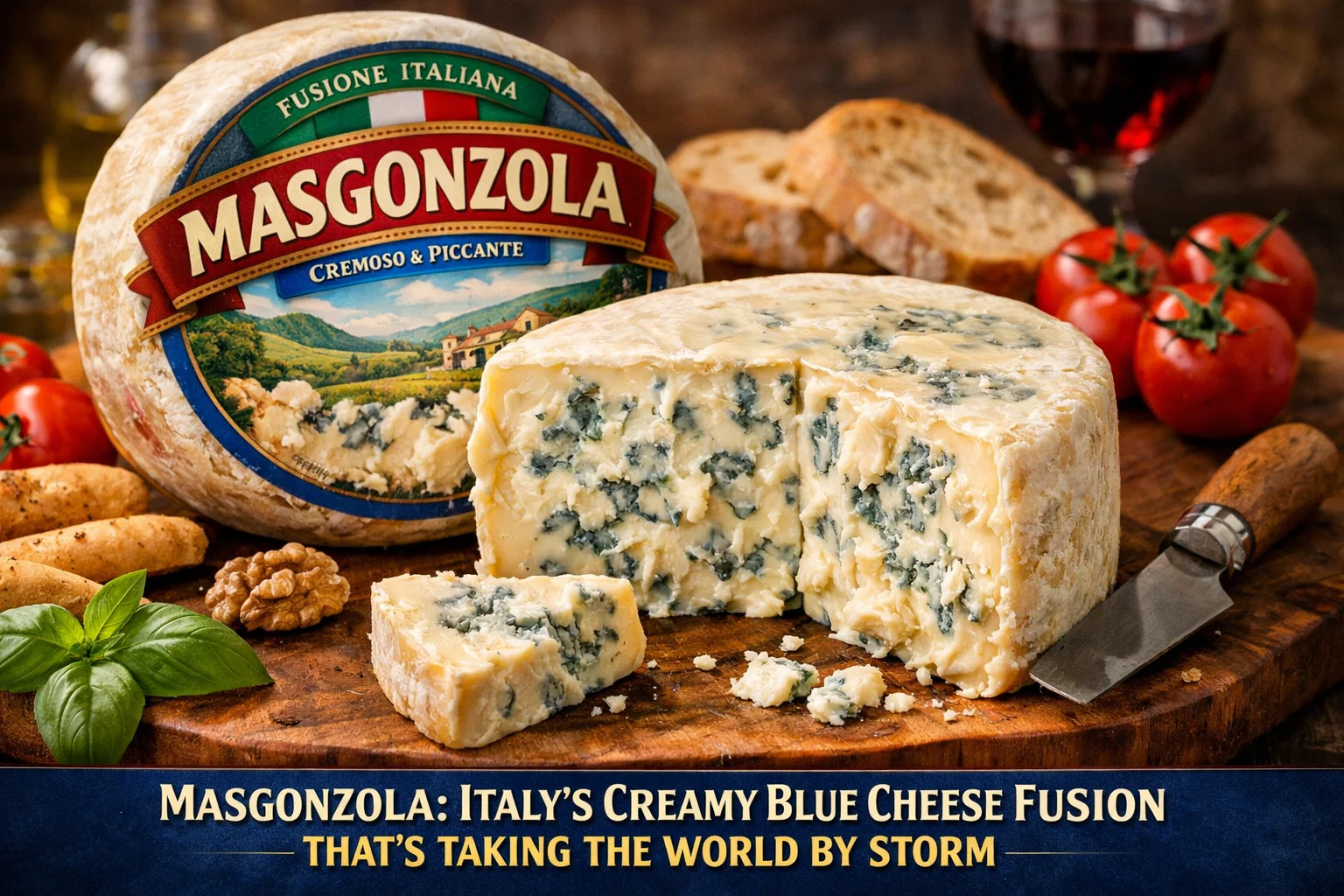
If you’ve ever craved a cheese that perfectly balances rich creaminess with a subtle tangy kick, then masgonzola might just become your new obsession. This unique Italian delight combines the silky smoothness of mascarpone with the bold, blue-veined character of Gorgonzola, creating a hybrid that’s versatile, indulgent, and downright addictive. Masgonzola isn’t your everyday supermarket cheese—it’s a gourmet treasure that’s been quietly winning over food lovers, chefs, and home cooks alike. Whether spread on crusty bread, melted into sauces, or crumbled over salads, masgonzola elevates any dish with its luxurious texture and layered flavors.
What makes masgonzola so special is how it bridges the gap between mild and intense tastes. Traditional blue cheeses can sometimes overwhelm with their sharpness, but masgonzola softens that edge while keeping the exciting complexity intact. It’s the kind of cheese that feels both comforting and sophisticated, making it ideal for everything from casual snacking to elegant dinner parties. As more people discover this fusion, masgonzola is popping up on charcuterie boards, in recipes, and even inspiring creative pairings that highlight its one-of-a-kind profile.
The Fascinating Origins of Masgonzola
Masgonzola traces its roots to the heart of Northern Italy, particularly the Lombardy region, home to both mascarpone and Gorgonzola traditions. While exact historical records are a bit fuzzy—cheese-making stories often are—this delightful blend likely emerged from innovative artisans experimenting with ways to make blue cheese more approachable. By folding creamy mascarpone into Gorgonzola, they created masgonzola as a modern twist on centuries-old techniques.
The story of masgonzola reflects Italy’s deep cheesemaking heritage, where cow’s milk from lush pastures is transformed through careful craftsmanship. Gorgonzola itself has been produced since the Middle Ages in caves near the town of Gorgonzola, while mascarpone brings a Renaissance-era sweetness from nearby areas. Masgonzola represents that perfect marriage, born from a desire to tame the bold blue mold while enhancing richness. Today, small-batch producers continue this tradition, ensuring each wheel of masgonzola carries the essence of Italian passion for food.
How Masgonzola Is Crafted: The Artisanal Process
Crafting masgonzola is a labor of love that combines precision with natural magic. It starts with high-quality cow’s milk, heated and curdled using traditional methods. Penicillium cultures are introduced to develop those signature blue veins, but here’s where masgonzola shines: fresh mascarpone is layered or blended in, creating a marbled effect that’s visually stunning.
The cheese is then pierced to allow oxygen in, encouraging mold growth for flavor depth, before aging in cool, humid environments for weeks to months. This shorter aging compared to sharper blues keeps masgonzola creamy and spreadable. Artisans monitor every step, from salting to wrapping, resulting in a product that’s soft yet structured. The result? A cheese that’s luxurious to the touch and bursts with balanced taste in every bite.
Exploring the Unique Flavor Profile of Masgonzola
Tasting masgonzola is like a little adventure on your palate. It starts with the gentle, buttery sweetness of mascarpone, wrapping your senses in comfort, before the tangy, earthy notes from the Gorgonzola veins kick in. There’s a mild nuttiness, a hint of salt, and just enough funk to keep things interesting without overpowering.
Unlike intense blues that dominate a dish, masgonzola plays nicely with others—its creaminess mellows the sharpness, making it welcoming for blue cheese newcomers. The texture is dreamy: spreadable at room temperature, melty when warmed, with subtle crumbles from the veins adding contrast. As one cheese enthusiast put it, “Masgonzola is the hug you didn’t know you needed from a blue cheese.”
Perfect Pairings for Masgonzola
Pairing masgonzola is where the fun really begins—its versatility shines with both sweet and savory companions. For wines, try a crisp Prosecco or a bold red like Barolo to complement the tang. Fruits like pears, figs, or apples bring out the sweetness, while nuts such as walnuts add crunch.
On a cheese board, surround masgonzola with prosciutto, olives, and honeycomb for a classic Italian spread. It also loves bold flavors like dark chocolate or balsamic glaze for unexpected twists. Chefs often quote: “Great pairings aren’t about matching— they’re about harmony,” and masgonzola delivers that in spades.
Here’s a simple table of recommended pairings:
| Category | Recommendations | Why It Works |
|---|---|---|
| Wines | Prosecco, Riesling, Port | Balances tang with sweetness or fruit |
| Fruits | Pears, figs, grapes | Enhances natural creaminess |
| Nuts | Walnuts, hazelnuts, almonds | Adds texture and earthiness |
| Breads/Crackers | Crusty baguette, water crackers | Provides neutral base for spreading |
| Sweets | Honey, dark chocolate | Contrasts with mild funk |
Creative Ways to Use Masgonzola in Recipes
Masgonzola isn’t meant to sit pretty on a board—it’s a star in the kitchen. Melt it into pasta sauces for a creamy Gorgonzola-like experience without the intensity, or stuff it into chicken for a juicy surprise. Crumble masgonzola over pizzas, risottos, or grilled veggies for instant elevation.
For appetizers, spread masgonzola on crostini topped with roasted tomatoes. In desserts, it even works whipped into cheesecakes for a subtle twist. Home cooks rave about simple masgonzola dips with herbs and garlic. The possibilities are endless, turning everyday meals into something special.
Health Benefits and Nutritional Insights of Masgonzola
While masgonzola is indulgent, it offers some solid nutritional perks in moderation. Packed with protein, calcium, and probiotics from the blue mold, it supports bone health and gut digestion. The fats are mostly from natural milk, providing energy and vitamins like B12.
Of course, it’s calorie-dense, so portion control is key. Compared to plain blues, the mascarpone addition adds creaminess without extra sharpness, making masgonzola easier on sensitive stomachs. Many enjoy it as part of a balanced diet, appreciating how a little masgonzola satisfies cravings healthily.
Storing and Serving Masgonzola Properly
To keep masgonzola at its best, wrap it tightly in parchment or foil and store in the fridge’s vegetable drawer for up to a few weeks. Let it come to room temperature before serving—that’s when the flavors and creaminess truly bloom.
Avoid plastic wrap, as it can trap moisture and alter taste. If mold beyond the veins appears, trim it off. For serving, use a soft knife to preserve the texture. Proper handling ensures every bite of masgonzola is as fresh and delightful as the first.
Where to Buy Authentic Masgonzola and What to Look For
Finding genuine masgonzola often means heading to specialty cheese shops, Italian markets, or online gourmet retailers. Look for labels indicating artisanal production and Italian origins for the real deal.
Check for that beautiful marbling and a fresh, creamy aroma. Prices vary, but quality masgonzola is worth it. As demand grows, it’s appearing in more upscale grocers—keep an eye out, and you’ll be rewarded with this hidden gem.
Masgonzola in Modern Culture and Beyond Food
Interestingly, masgonzola has sparked conversations beyond the plate, sometimes symbolizing creative fusions in design and lifestyle. Its name evokes blending opposites harmoniously, inspiring everything from recipes to aesthetics.
Food bloggers and chefs continue to innovate with masgonzola, sharing viral ideas that keep it relevant. Whether purely culinary or metaphorically, masgonzola represents joyful experimentation.
Conclusion
Masgonzola truly stands out as a remarkable cheese that captures the best of Italian tradition with a fresh, approachable twist. From its creamy texture and balanced flavors to its endless versatility in the kitchen, masgonzola invites everyone to explore new tastes without intimidation. Whether you’re a longtime cheese aficionado or just starting your gourmet journey, adding masgonzola to your repertoire promises delicious discoveries. Embrace this fusion delight—it’s more than a cheese; it’s an experience worth savoring time and again.
Frequently Asked Questions
What exactly is masgonzola cheese?
Masgonzola is a luxurious Italian cheese blend that marries the rich, sweet creaminess of mascarpone with the tangy, blue-veined depth of Gorgonzola. This fusion creates a soft, spreadable cheese with beautiful marbling, offering milder intensity than traditional blues while retaining exciting flavor layers.
How does masgonzola differ from regular Gorgonzola?
While Gorgonzola can be sharp and pungent, masgonzola incorporates mascarpone to soften the bite, resulting in a creamier, more buttery profile. Masgonzola is often spreadable and versatile, making it friendlier for those new to blue cheeses without losing the classic earthy tang.
Can I make masgonzola at home?
Home versions of masgonzola are possible by gently folding softened mascarpone into crumbled Gorgonzola Dolce. Experiment with ratios for your preferred balance, though true artisanal masgonzola comes from professional aging processes that develop optimal flavors and textures.
Is masgonzola suitable for vegetarians?
Most masgonzola uses animal rennet in traditional production, so check labels for vegetarian-friendly options. Many modern producers offer versions with microbial or vegetable rennet, ensuring broader accessibility for different diets.
What are the best substitutes for masgonzola?
If masgonzola isn’t available, try a mix of cream cheese and mild blue like Cambozola, or straight Gorgonzola Dolce with added cream. These capture similar creaminess and tang, though nothing quite replicates the unique harmony of authentic masgonzola.
How long does masgonzola last once opened?
Properly stored in the fridge, opened masgonzola stays fresh for 2-4 weeks. Watch for changes in smell or excessive mold, and enjoy it at peak quality by serving at room temperature to fully appreciate its creamy delights.